How Tree Roots Destroy Wood Fence Posts And What To Do About It
While mature trees add immense value and aesthetic appeal to any property, their expansive root systems can pose a severe threat to nearby structures. One of the most common landscaping conflicts occurs when tree roots interact with wood fence posts. Because fences are typically installed directly on property lines where trees are frequently planted, the underground collision between a growing root system and a static fence foundation is almost inevitable if not properly managed.
The Mechanics Of Root Damage
Roots are opportunistic and constantly seek out oxygen, nutrients, and moisture. The loose, aerated backfill soil around a newly installed fence post provides an ideal pathway for root expansion. As tree roots grow in diameter, they often aggressively wrap around the moisture absorbing concrete footing of the post. This radial growth exerts extraordinary hydraulic pressure, which can easily heave the concrete out of alignment and cause the entire fence line to buckle. Furthermore, roots trap soil moisture against the wood, accelerating rot and decay in the post.
Identifying A Compromised Fence Post
The initial signs of root interference are often subtle. You may notice a slight bow in the top rail of the fence or a gate that no longer latches correctly due to structural shifting. As the problem progresses, the soil immediately surrounding the post will often begin to heave or crack. If you dig down just a few inches, you will likely find thick, woody roots pressing directly against the concrete pier or embedding themselves into the decaying wood of the post itself. Once the wood begins to rot, the post loses its shear strength and becomes highly susceptible to snapping during high winds.
Remediation And Structural Repair
Repairing a fence post destroyed by tree roots requires a significant amount of labor and excavation. The invading root system must be carefully dug out and cut back, provided doing so does not compromise the health and stability of the tree. When setting the replacement post, the entire hole must be cleared of organic debris.
Using a galvanized steel post instead of wood is a superior choice in areas with heavy root activity, as steel will not rot when exposed to root-induced moisture. If wood must be used, ensuring the concrete footing is poured correctly to shed water away from the post is critical for long-term survival. Protecting your fence infrastructure requires a proactive approach, balancing the natural landscape with the built environment.
Three Key Tips
Install High Density Polyethylene Root Barriers. When planting new trees near a property line, trench down and install a mechanical root barrier alongside the fence line. This forces the roots to grow downward rather than laterally toward the fence post foundations.
Slope The Concrete Footing Above Grade. When setting a wood post in concrete, never leave the concrete flush with or below the surrounding dirt. Trowel the top of the concrete so it sits slightly above the soil line and slopes away from the wood, preventing moisture and shallow surface roots from settling directly against the base.
Maintain An Adequate Planting Distance. Always calculate the mature canopy spread of a tree before planting. As a general rule of thumb, plant large canopy trees at least ten to fifteen feet away from any fence line to keep the critical root zone away from the structural foundations of the fence.
Bonus Questions And Answers
When dealing with soil that is easily displaced by root growth, understanding foundational requirements is critical for a lasting repair.
What Is The Minimum Depth Required For A Fence Post Footing To Ensure Stability Against Soil Movement?
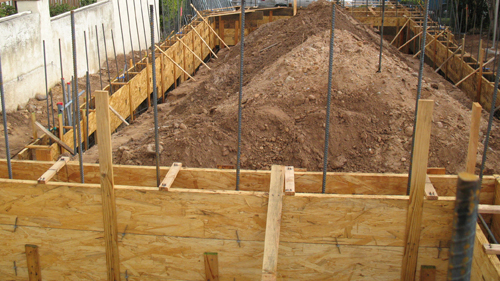
While local building codes dictate specific requirements based on wind loads and frost lines, general structural engineering principles require a fence post to be buried at a depth equal to at least one third of its total above-ground height. For a standard six-foot privacy fence, this means a minimum hole depth of twenty-four inches. In regions that experience freezing temperatures, the bottom of the concrete footing must extend below the local frost line to prevent frost heave, an upward expansion of freezing soil that exerts similar pressure to tree roots and can quickly destroy a fence foundation.
Once you discover a massive root threatening your property line, you must decide how to handle the tree itself without creating a safety hazard.
Can I Safely Cut A Large Tree Root To Save My Fence Without Killing The Tree?
Severing a root to protect a fence post must be done with extreme caution. As a general arboricultural standard, you should never cut roots within the critical root zone, which is typically calculated as a radius of one to one and a half feet for every inch of the tree trunk diameter. Cutting large structural roots near the trunk can compromise the anchoring system of the tree, creating a severe fall hazard during a storm. If a major anchoring root is pushing against your fence, the safest structural solution is often to bridge the fence over the root or shift the post placement rather than severing the wood.
If excavation and root removal are successful, selecting the right replacement materials will prevent future structural failures.
Should I Use Specific Lumber When Repairing A Root Damaged Wood Fence Post?
If you choose to replace the damaged post with wood, you must use lumber specifically rated for ground contact. The International Residential Code requires wood in contact with the ground to be naturally durable or preservative-treated. When purchasing pressure-treated lumber for a fence post, verify that it carries an American Wood Protection Association retention tag of UC4A or UC4B, which designates it for ground contact and heavy-duty ground contact, respectively. Standard above-ground treated lumber will rapidly decay when exposed to the moist, root-dense soil environment found near trees.