The Hidden Danger Of Sprinkler Overspray On Cracked Concrete
Concrete patios are designed to withstand the elements, but localized water intrusion can compromise their structural integrity. When a damaged irrigation sprinkler continuously sprays water directly onto a concrete slab, it creates a concentrated moisture load. If that concrete already has a hairline fracture, the constant influx of water accelerates deterioration, turning a minor cosmetic flaw into a significant structural liability.
How Moisture Cycling Expands Concrete Cracks
Concrete is a porous material that naturally absorbs and releases moisture. When water from a malfunctioning sprinkler pools over a crack, the liquid infiltrates the slab. As concrete absorbs this water, it expands slightly. When the irrigation system shuts off and the sun dries the slab, the concrete contracts. This repetitive cycle of expanding and shrinking places immense stress on the rigid material. Over time, this wet-to-dry cycling forces the edges of the fracture apart, causing the gap to widen progressively.
The Threat Of Subgrade Erosion
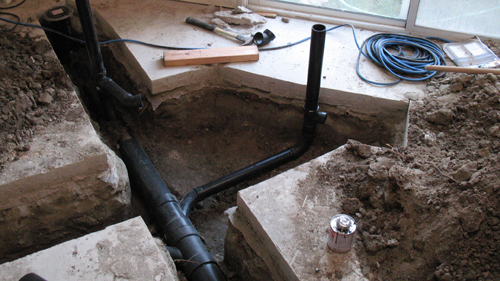
Beyond the concrete itself, water penetrating through a crack introduces severe risks to the underlying subgrade. If a fracture is wide enough to capture runoff without the water flowing past it, that moisture is draining directly into the soil base supporting the slab. Continuous soil saturation can lead to erosion, washing away the compacted aggregate base. Without proper support, the undermined concrete will eventually settle, crack further, or collapse entirely under normal loads.
Preventative Maintenance And Timely Repairs
Addressing the root cause of moisture intrusion is just as critical as patching the concrete. Homeowners should regularly inspect their irrigation systems for misaligned or broken sprinkler heads, especially since automated systems often run overnight when issues are easily missed. Redirecting water away from hardscapes and sealing existing cracks immediately prevents minor surface defects from evolving into costly concrete replacements.
Essential Concrete Maintenance Tips
Inspect automated irrigation systems routinely to ensure sprinkler heads are intact, properly adjusted, and not directing water onto concrete surfaces.
Seal existing concrete cracks promptly using a flexible, exterior-grade concrete sealant to prevent surface water from penetrating the slab and reaching the subgrade.
Ensure proper drainage around the perimeter of the patio so that surface water runs off efficiently rather than pooling near expansion joints or fractures.
Bonus Questions And Answers
To further understand how moisture interacts with your concrete hardscaping, consider these additional technical insights.
What Happens If Water Inside A Concrete Crack Freezes?
When water infiltrates a crack and temperatures drop below freezing, the liquid undergoes a phase change into ice, expanding its volume by approximately nine percent. This expansion exerts immense hydraulic pressure against the rigid walls of the concrete. In regions subject to freezing temperatures, this freeze-thaw cycle is a leading cause of concrete spalling and severe structural fracturing. Standard building practices dictate sealing all surface vulnerabilities before winter to prevent this destructive internal pressure.
Can Water Penetrating A Crack Damage The Steel Reinforcement Inside The Concrete?
Yes, water intrusion is highly detrimental to the structural reinforcement hidden within the slab. Many concrete patios contain steel rebar or welded wire mesh to provide tensile strength. The International Residential Code requires specific minimum concrete coverage over steel to protect it from the elements. When a crack allows water and dissolved oxygen to reach this reinforcement, the steel begins to rust. As steel rusts, it expands up to four times its original diameter, causing a blowout effect known as concrete spalling which breaks apart the surrounding masonry.
How Do Control Joints Differ From Structural Cracks When Managing Water?
Control joints are intentional, straight cuts placed in a concrete slab during installation to encourage the concrete to crack in a neat, predetermined line as it shrinks during the curing process. While they act as planned cracks, standard construction best practices require these joints to be filled with a flexible polyurethane sealant. Leaving control joints unsealed allows rain and sprinkler water to bypass the concrete and saturate the subgrade, leading to the same erosion and settlement issues caused by accidental structural cracks.