How To Prevent Wood Rot And Protect Your Deck Framing
A timber deck is a valuable extension of a property, but it is constantly exposed to the elements and environmental wear. While surface dirt and fallen leaves may seem like a mere cosmetic issue, accumulating organic debris represents a severe threat to the structural integrity of the entire deck system. When homeowners find themselves needing to replace decking planks or structural joists prematurely, the root cause is frequently traced back to inadequate gap maintenance.
The Hidden Danger Of Trapped Moisture
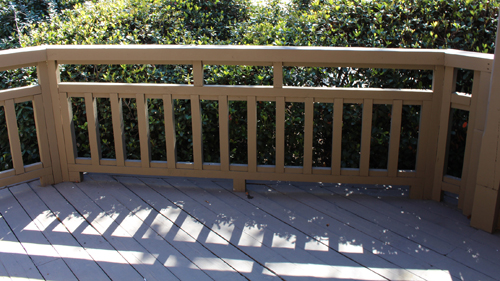
The fundamental mechanism of deck preservation relies on adequate drainage and continuous air circulation. Wood framing requires the ability to dry out completely after precipitation. When dirt, leaves, pine needles, or branches accumulate and compact within the spaces between the decking planks, they create a dense barrier. This barrier eliminates natural airflow and acts as a sponge, retaining moisture long after the surrounding environment has dried.
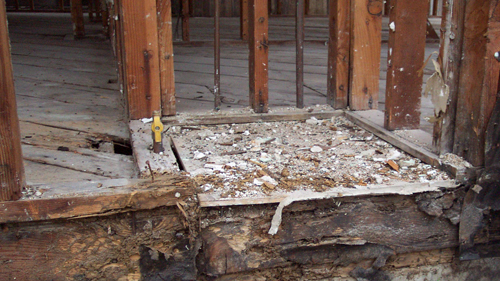
When these gaps are plugged, any moisture from rain or ambient humidity becomes trapped in the debris. This prolonged moisture exposure essentially forces the wood to remain wet, allowing the water to soak deeply into both the surface decking and the structural framing supports below. Over time, this constant dampness creates the ideal environment for fungal decay, ultimately leading to widespread wood rot that compromises the load-bearing capacity of the joists.
Proper Techniques For Clearing Deck Gaps
Maintaining proper clearance between decking boards is a straightforward but essential task. For basic maintenance, utilizing a standard leaf blower can clear loose debris before it has a chance to settle and compact between the boards. For stubborn, compacted dirt, a thin physical tool is required. Carefully running a slender implement, such as a hacksaw blade or a specialized deck grooving tool, down the gaps will effectively dislodge the blockage and restore necessary airflow.
While utilizing water to wash the deck is occasionally necessary, it must be done with strategic caution. Using a hose excessively or too frequently introduces unnecessary moisture into the system, inadvertently contributing to the very problem you are trying to solve. Washing a deck with water is best reserved for thorough, semi-annual cleanings, provided the property is located in a climate where the wood will dry rapidly afterward. Routine maintenance should rely on physical debris removal rather than water to ensure the longevity of the timber framing.
Three Key Construction Maintenance Tips
Ensure continuous air circulation by manually removing compacted dirt from the spaces between decking boards using a thin, rigid tool.
Prioritize dry cleaning methods like blowing or sweeping over frequent washing, as introducing excessive water to a debris-covered deck accelerates the rotting process.
Establish a maintenance schedule proportionate to the square footage of your deck and the surrounding vegetation to prevent moisture retention in the structural joists.
Advanced Structural Deck Protection
While keeping your deck surface clear is crucial for moisture management, understanding the broader structural principles of deck construction can help you identify other potential issues before they become severe. Here are a few technical considerations related to deck safety and longevity.
What Is The Standard Spacing Required Between Deck Boards?
When constructing a wood deck, installing the boards with a specific gap is a fundamental building practice to ensure proper drainage and accommodate the natural expansion and contraction of the timber. While local building codes may vary, standard construction best practices typically dictate a gap of one-eighth to one-quarter of an inch between boards. If boards are installed completely flush, or if swelling causes the gaps to close entirely, water will pool on the surface and accelerate the decay of the underlying structural joists.
How Does Deck Flashing Prevent Structural Failure At The House Connection?
The most critical structural point of any attached deck is the ledger board, which anchors the deck frame to the primary building structure. The International Residential Code strictly requires the installation of approved corrosion-resistant flashing at this connection point. Proper flashing prevents moisture from seeping behind the ledger board and entering the wall cavity of the house. If water intrusion occurs here due to missing or improper flashing, it causes hidden rot in the home's rim joist, which is a leading cause of catastrophic deck collapse.
What Types Of Wood Are Required By Code For Exterior Decks?
Because exterior framing is continuously exposed to moisture and potential pest infestations, building codes regulate the materials used for structural support. The International Residential Code mandates that load-bearing deck framing must be constructed using either naturally durable wood species, such as specific grades of redwood or cedar, or approved preservative-treated lumber. This chemical treatment or natural resistance is vital to withstand the fungal decay and subterranean termite damage that would otherwise destroy standard untreated framing lumber used in outdoor applications.