How Accumulated Leaves Compromise Roof Integrity And Framing
Leaves on a roof might seem harmless, but they pose a severe threat to residential roofing systems and underlying structural framing. When organic debris accumulates, it creates an environment that actively degrades building materials and invites costly structural repairs. Routine property management requires understanding how foliage interacts with roofing components over time.
The Threat Of Moisture Retention And Debris Decomposition
As foliage rests on a roof, it undergoes natural decomposition, eventually breaking down into a soil-like substance. This organic matter acts like a sponge, retaining rainwater and morning dew. In shaded areas typically found beneath large tree canopies, this moisture rarely has the opportunity to evaporate fully. Continuous exposure to trapped water accelerates the degradation of common roofing materials, particularly asphalt composition shingles and natural wood shakes. While clay or concrete tiles offer more natural resistance to moisture, the underlayment beneath them remains highly vulnerable if water channels become blocked by soil and debris.
Biological Degradation Wood Rot And Termite Infestations
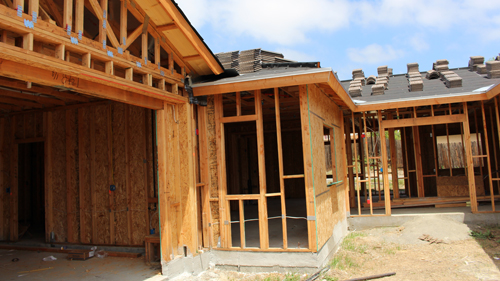
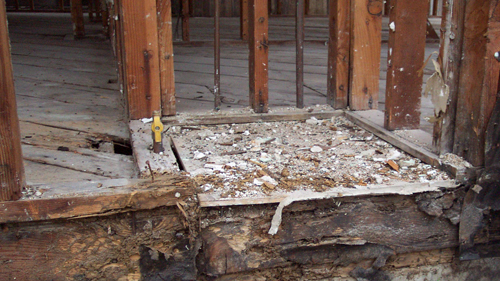
Moisture is the primary enemy of conventional wood-framed structures. When wet debris sits near the roof overhang, water can easily wick into the exposed end grain of rafter tails and fascia boards. This sustained elevated moisture content creates the exact habitat required for fungal decay, commonly referred to as dry rot. Furthermore, damp, softening wood acts as a powerful attractant for termites. These wood-destroying insects thrive in environments with a steady water supply and can rapidly hollow out critical load-bearing framing members, compromising the structural integrity of the roof assembly.
Protecting Your Investment
Routine removal of organic debris is a fundamental aspect of proactive structural maintenance. By ensuring the roof surface and adjacent drainage components remain entirely clear, homeowners can break the cycle of moisture retention. Keeping the framing members dry is the most effective method to ensure the longevity of the structure and avoid unnecessary, invasive repair work.
Essential Roof Maintenance Tips
Clear debris to prevent decomposition. Removing leaves promptly stops organic material from breaking down into moisture-retaining soil directly on top of your roofing materials.
Monitor overhangs and rafter tails. Regularly inspect the lowest points of the roof edge, as these areas are highly susceptible to moisture wicking, fungal decay, and subsequent termite activity from trapped runoff.
Account for shaded environmental conditions. Roof planes located beneath heavy tree canopy require much more frequent clearing, as the lack of direct sunlight prevents any trapped moisture from evaporating effectively.
Frequently Asked Questions About Roof Weatherproofing
To further expand on proper roof maintenance and structural protection, let us explore some advanced building science concepts regarding weatherproofing that go beyond basic debris removal.
Why Is Drip Edge Flashing Required By Modern Building Codes?
The International Residential Code mandates the installation of drip edge flashing at the eaves and gables of shingle roofs to protect the structural deck. This continuous metal flashing physically directs water away from the fascia board and prevents capillary action from pulling moisture back under the shingles. Without a properly installed drip edge, water runoff, especially water slowed by accumulating organic debris, will wick directly into the vulnerable edge framing, accelerating wood rot and structural failure.
How Does Attic Ventilation Impact Roof Shingle Longevity?
While clearing exterior surface debris is critical, controlling internal roof temperature and moisture is equally vital for material preservation. Building codes require cross-ventilation in enclosed attic spaces, typically achieved through a balanced system of intake soffit vents and exhaust ridge vents. Proper ventilation prevents hot, moist air from the living space from condensing on the underside of the cold roof sheathing during winter, which can rot the wood decking from the inside out. In summer, it prevents excessive heat buildup that effectively bakes asphalt shingles and prematurely volatilizes their protective petrochemicals.
What Role Does Ice And Water Shield Play In Valley Construction?
Roof valleys are high-traffic zones for water drainage and are particularly prone to accumulating damp leaves and twigs. To protect these vulnerable structural intersections, modern building practices and codes heavily utilize a specialized underlayment, typically an approved ice and water shield. This self-adhering, self-sealing bituminous membrane provides a secondary waterproof barrier. If wet debris creates a dam that forces water to pool or back up underneath the overlapping shingles in a valley, the ice and water shield prevents that standing water from penetrating and destroying the structural roof deck below.