Five Common Areas For Exterior Mold Growth On Your Home
Maintaining the exterior of your home requires vigilance, especially when it comes to moisture management. Mold spores are naturally present in the environment, but they require specific conditions to colonize and grow on your building materials. Understanding where and why mold thrives on a house exterior is the first step in effective prevention and building envelope protection.
The Optimal Conditions For Exterior Mold
Mold struggles to survive in direct, prolonged sunlight. Instead, it flourishes in areas combining persistent moisture, moderate warmth, and heavy shade. Due to the path of the sun from east to west, the north-facing side of a residential structure typically receives the least amount of direct sunlight. This makes north-facing walls, fences, and concrete flatwork particularly susceptible to fungal growth. Identifying these microclimates around your property is essential for structural longevity.
Concrete Surfaces And Driveways
Concrete is porous and can retain moisture for extended periods. Areas of concrete flatwork that remain consistently wet are prime breeding grounds for exterior mold. This often occurs near heavily watered plant containers, poorly drained landscaping, or sections of a concrete sidewalk and driveway subjected to daily overspray from an irrigation system.
Wood Fencing And Exterior Trim
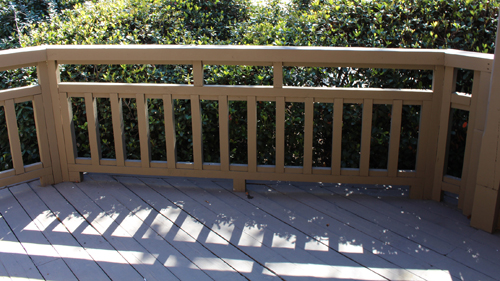
Wood is an organic material that easily absorbs moisture if not properly sealed and maintained. Exterior wood components such as fencing, gates, fascia boards, and decorative trim are highly vulnerable. When these elements are located in permanent shade and exposed to damp air or ground moisture, mold can rapidly develop and degrade the integrity of the wood fibers.
Siding Materials And Painted Surfaces
A common misconception in exterior home maintenance is that manufactured or synthetic materials are immune to fungal growth. While natural wood siding is obviously susceptible, mold can also grow on cement-fiber based siding. In many cases, the mold is actually feeding on dirt, pollen, and organic debris trapped in the exterior paint film rather than the siding material itself. Regular inspection of all shaded siding is necessary regardless of the cladding material used.
Building Foundations And Footings
The base of your home is constantly interacting with soil moisture. If your building experiences frequent roof runoff without proper gutter redirection, or if dense foliage blocks sunlight and air circulation against the base of the house, the foundation footing becomes a damp microclimate. High morning humidity and trapped moisture can cause mold to establish itself directly on the exposed concrete foundation.
Stucco Exteriors
Stucco is a durable cladding system, but its textured surface easily traps windblown dust and organic matter. When a stucco wall is located in a deeply shaded area, it can retain moisture long enough to support mold colonies. Similar to fiber-cement siding, the mold on a stucco exterior is frequently found growing on the exterior paint coating.
Three Key Tips For Preventing Exterior Mold
Identify your home's shaded microclimates, particularly on the north-facing side of the structure, and monitor these areas routinely for early signs of fungal growth.
Adjust landscape irrigation systems to ensure sprinkler heads do not overspray onto concrete driveways, foundation walls, or siding, which introduces unnecessary daily moisture.
Do not rely on material type alone to prevent mold; maintain clean exterior painted surfaces on stucco and fiber-cement siding to remove the organic debris that mold spores feed upon.
Bonus Questions And Answers
To further protect your home from exterior moisture issues, here are answers to some frequently asked questions about building science and mold prevention.
How Does Proper Roof Drainage Prevent Foundation Mold?
The International Residential Code requires that surface water be diverted away from the building foundation. Standard building science dictates grading the soil to fall a minimum of six inches within the first ten feet away from the home. By combining proper soil grading with a well-maintained gutter system that discharges water away from the structure, you prevent soil saturation at the base of the walls. This eliminates the excess moisture that feeds mold growth on exposed concrete footings and foundation walls.
What Is A Water Resistive Barrier And Does It Stop Exterior Mold?
A water-resistive barrier, commonly known as house wrap, is a material installed between the exterior cladding and the structural wall sheathing. Required by modern building codes, its primary function is to prevent liquid water from entering the wall cavity while allowing water vapor to escape. While a water-resistive barrier is critical for preventing internal structural rot and interior mold, it does not prevent mold from growing on the outside surface of your siding or stucco. Exterior surface mold must be managed through exterior cleaning and reducing shade or sprinkler overspray.
Are Roof Vents Necessary For Preventing Mold On Overhangs And Soffits?
Yes, proper roof ventilation is vital for the health of your roof overhangs. Building codes require specific ratios of net free ventilating area for enclosed attics. If an attic is poorly ventilated, warm, moist air from the living space can accumulate inside the roof structure. This internal moisture can condense and migrate to the exterior soffits and eaves, promoting mold growth and wood rot on the underside of your roof overhangs. Proper intake and exhaust ventilation keeps this assembly dry and inhospitable to mold.