Potted plants are a staple of outdoor living spaces, but they introduce a significant risk to the structural integrity and aesthetic appeal of the materials beneath them. Whether you are managing a residential concrete patio or a multi-level wood deck, continuous moisture exposure from routine watering can cause irreversible damage. Understanding how water interacts with building materials is essential for preserving the lifespan of your property's exterior surfaces.
The Mechanics Of Concrete Staining
Concrete is an inherently porous material. When water drains from a potted plant, it often carries organic matter, soil tannins, and fertilizer salts. If this moisture is allowed to pool constantly, the concrete absorbs these compounds, leading to deep discoloration. While superficial stains from a brief couple of months of exposure might wash away or fade naturally, leaving a heavily watered container in the exact same spot for years will permanently alter the concrete matrix.
Wood Decks And Handrails: The Risk Of Structural Decay
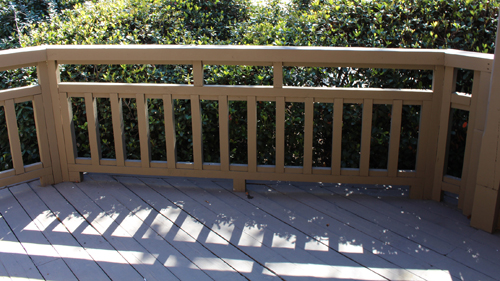
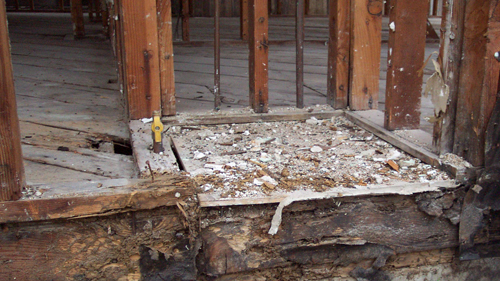
Unlike concrete, which primarily suffers aesthetic degradation from plant runoff, wood surfaces face severe structural threats. Placing planters directly on wood decking boards or handrails is a common but destructive practice. Wood readily absorbs standing water, and the area trapped beneath a plant pot rarely receives enough sunlight or airflow to dry out. Over time, this continuous moisture intrusion breaks down the wood fibers, leading to deep permanent stains and eventual rot that necessitates total material replacement.
Effective Moisture Management Strategies
Mitigating this damage requires more than just placing a tray under the container. Trays are only effective if they are sized correctly and monitored diligently. A container resting on the edge of an uncentered plastic tray allows water to bypass the catchment system entirely. Furthermore, overwatering a plant until the tray continuously overflows defeats the purpose of the barrier. Precision watering and proper tray placement are mandatory to keep the underlying concrete or wood completely dry.
Preserving Your Outdoor Living Spaces
Proactive property maintenance saves significant repair costs down the line. By understanding the vulnerabilities of porous concrete and absorbent wood, property owners can enjoy their outdoor greenery without sacrificing the integrity of their hardscaping and decks.
Three Key Construction And Maintenance Tips
Elevate containers slightly above the ground surface using specialized pot feet or structural risers to guarantee adequate airflow and prevent moisture entrapment.
Utilize adequately sized, non-porous catchment trays, ensuring the pot is perfectly centered so that all drainage water is safely collected rather than spilling onto the deck.
Monitor your watering volume to ensure the catchment tray never overflows, and routinely shift the position of your outdoor plants to expose the underlying surface to drying sunlight.
Advanced Moisture Control Questions And Answers
To further expand on proper outdoor surface maintenance beyond basic plant care, here are a few advanced building science principles every property owner should know.
What Is The Ideal Drainage Slope For A Concrete Patio To Prevent Standing Water?
To prevent standing water from plant runoff or rainfall, exterior concrete flatwork must be properly sloped during installation. Standard construction practice and guidelines derived from the International Residential Code dictate that exterior concrete surfaces should slope away from the primary structure at a minimum rate of one-eighth to one-fourth of an inch per foot. This subtle grading ensures that any excess water overflowing from a plant tray naturally drains off the patio rather than pooling and soaking into the porous concrete surface.
Will Applying A Concrete Sealer Completely Prevent Plant Water Stains?
While a high-quality concrete sealer provides excellent defense, it is not a foolproof guarantee against standing water. Penetrating sealers, such as silanes and siloxanes, work by reducing surface porosity and repelling water, but they are highly breathable to allow subsurface moisture to escape. If a plant tray continuously overflows and water sits on the sealed concrete for prolonged periods, the hydrostatic pressure and organic compounds can eventually bypass the chemical barrier, leading to trapped stains.
Why Does Pressure Treated Decking Still Rot Underneath Plant Containers?
Pressure-treated wood is infused with chemical preservatives like copper azole to resist termite attacks and fungal decay, but the treatment process does not make the wood completely waterproof. When a planter traps water against the wood surface, it prevents evaporation and raises the moisture content of the decking boards. According to building science principles, wood decay fungi thrive when the material's moisture content consistently remains above twenty percent. Continuous trapped moisture will eventually overwhelm the chemical preservatives, leading to localized structural rot.