How To Permanently Fix Rusting Nails In Exterior Siding
When inspecting your home's exterior, finding rust stains bleeding through the paint is a clear warning sign. Rusting nails in your siding are more than just an eyesore; they indicate an active corrosion process that compromises the integrity of your exterior cladding. Once fasteners begin to oxidize, acting quickly is essential to stop the deterioration before it causes extensive damage to the siding material.
The Danger Of Painting Over Rust
A common mistake homeowners and inexperienced contractors make is simply applying a new coat of exterior paint directly over rusted nail heads. This approach is a temporary visual fix, not a structural solution. Standard house paint does not possess rust-inhibiting properties. If you paint over active corrosion, the moisture and oxygen trapped beneath the surface will allow the oxidation to continue. Eventually, the rust will bleed right back through the new layer of paint, ruining the finish and allowing the fastener to degrade further.
Proper Treatment And Remediation
To solve this exterior maintenance issue properly, the rust must be neutralized at the source. Professional painters and exterior restoration experts utilize specialized rust-converting primers or chemical rust inhibitors. These specific treatments react with the iron oxide, stopping the corrosion process entirely and creating a stable, paintable barrier over the nail head.
Doing The Job Right
Protecting your home's exterior requires an investment in quality materials and proper preparation. Whether you are tackling the project yourself or hiring a professional, insist on rigorous surface preparation. If the corrosion is severe enough that the structural integrity of the fastener is compromised, applying a surface treatment is no longer sufficient. In these cases, the degraded metal must be entirely extracted and replaced with code-compliant, corrosion-resistant fasteners before any primer or paint is applied.
Three Key Tips For Handling Rusted Siding Nails
Never paint directly over untreated rust, as the corrosion will inevitably bleed through the new coat of paint.
Always apply a dedicated rust-inhibiting primer or rust converter directly to the affected nail heads to stop oxidation.
Inspect the structural integrity of the rusted metal; if a nail is severely degraded, it must be removed and replaced rather than simply coated.
Advanced Insights On Siding Fastener Corrosion
To expand on the best practices for exterior siding maintenance, here are answers to some of the most common technical questions regarding fastener corrosion.
What Type Of Siding Nails Does The Building Code Require To Prevent Rust?
According to the International Residential Code, specifically section R703 regarding exterior coverings, all fasteners must be corrosion-resistant. Standard practice dictates the use of hot-dipped galvanized, stainless steel, or aluminum nails. While local jurisdictions may have specific environmental amendments, using Type 304 or Type 316 stainless steel nails is the universally accepted best practice for completely preventing rust, particularly in coastal or high-moisture climates.
Why Do Standard Galvanized Nails Sometimes Rust Prematurely?
Not all galvanized nails are created equal. Electro-galvanized nails feature a very thin layer of zinc compared to hot-dipped galvanized alternatives. When these nails are driven into dense siding material, especially with high-powered pneumatic nail guns, the impact can easily chip or strip the protective zinc coating off the head. This exposes the bare steel core to atmospheric moisture, initiating the oxidation process almost immediately.
Can Rusting Nails Cause Structural Rot In The Underlying Wall Sheathing?
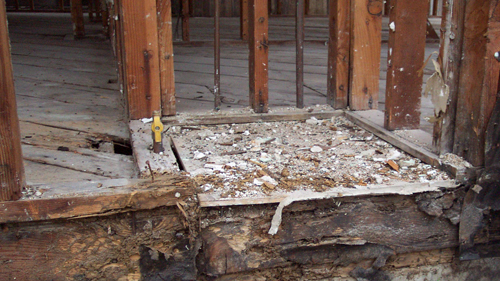
Yes, rusted exterior fasteners can be a catalyst for underlying water damage. Rust is a form of oxidation that causes the metal to expand. As the nail head swells, it can create micro-cracks in the surrounding siding material. These fissures allow bulk water intrusion to bypass the cladding. If water penetrates past the weather-resistant barrier, it becomes trapped against the wood sheathing and wall framing, eventually leading to structural wood decay and fungal growth.