The Hidden Danger Of Debris Against Exterior Siding
Routine property maintenance often focuses on the obvious elements like roof condition, window seals, and HVAC systems. However, one of the most overlooked threats to a building's structural integrity can be found resting right against the exterior walls. Piles of debris, such as yard waste, discarded materials, or accumulated leaves, frequently gather against the siding. While this might appear to be a minor aesthetic issue, it presents a significant risk to the longevity of the exterior cladding and the underlying framing.
Why Unseen Areas Pose The Greatest Risk
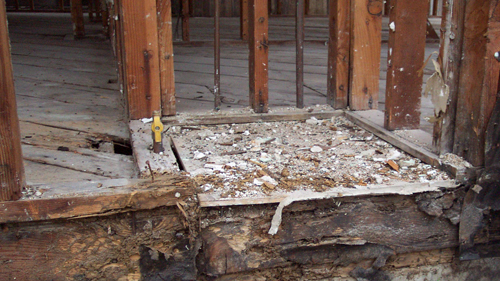
When debris accumulates in highly visible areas, property owners tend to remove it quickly. The true danger lies in the neglected spaces around a building, such as the rear elevation, side yards, or behind dense landscaping. In these hidden zones, debris can sit for months or even years. Over time, trapped organic matter retains moisture directly against the siding, compromising the weather-resistant barrier and encouraging wood rot. This constant dampness also creates an ideal environment for pests to bypass foundation defenses and infiltrate the structure.
Implementing A Routine Exterior Inspection Schedule
Preventing long-term degradation requires a proactive approach to property management. Building owners should establish a strict routine for inspecting the entire perimeter of the structure. A comprehensive walk-around should assess the condition of the windows, exterior doors, exterior lighting fixtures, and the immediate foundation grade. Utilizing a standardized maintenance checklist ensures that no area is forgotten. Conducting these inspections on a monthly, quarterly, or at least annual basis will allow property owners to identify and resolve debris accumulation before it leads to costly structural repairs.
Essential Exterior Maintenance Tips
Perform routine perimeter walks at least once every three to six months to identify newly formed debris piles.
Focus your inspection efforts on the low-traffic areas of the property, such as side yards and rear elevations, where accumulation often goes unnoticed.
Utilize a standardized inspection checklist to document the condition of siding, foundation clearance, windows, and exterior fixtures during every walk-around.
Expanding Your Knowledge On Exterior Building Protection
While keeping debris away from your siding is a great first step, understanding the building science behind exterior clearances can further protect your investment. Here are a few common questions regarding exterior siding and foundation health.
Why Do Building Codes Require A Gap Between The Ground And The Siding?
Standard building codes, such as the International Residential Code, generally mandate a minimum clearance of six inches between the final earth grade and any wood framing or exterior wood siding. This practice is universally accepted because it prevents the cladding from acting as a sponge that wicks moisture up from the soil. Maintaining this required clearance keeps the building envelope dry and provides a visible inspection zone to check for subterranean termite tubes attempting to bridge the gap into the structural framing. Note that specific clearance requirements may vary slightly depending on local jurisdictional amendments and the specific type of cladding material used, but the six-inch rule is the standard best practice.
How Does Trapped Moisture From Debris Affect The Wall Assembly?
When debris holds moisture against the siding, it can eventually overwhelm the primary exterior cladding. Once water breaches this first layer, it attacks the weather-resistant barrier and the structural sheathing beneath it, such as oriented strand board or plywood. Prolonged exposure to trapped moisture leads to fungal growth and wood decay. As the sheathing rots, the wall loses its engineered shear strength, which can compromise the structural integrity of the entire building during high winds or seismic events.
Can Debris Piles Void Termite Warranties Or Pest Control Treatments?
Yes, storing items or allowing organic debris to rest against the exterior walls can often void professional pest control warranties. Pest management professionals apply chemical barriers or bait stations near the foundation to stop wood-destroying insects. Debris piles create a physical bridge that allows carpenter ants and termites to travel over the treated soil and directly into the siding. Because this accumulation provides an alternative route that bypasses the protective treatments, it undermines the entire pest management strategy and puts the structural framing at severe risk.