Maintaining Flat Stucco Balcony Guardrails
Exterior stucco provides a durable and attractive finish for residential structures, but architectural features with flat horizontal surfaces require specialized maintenance. Guardrails and balcony handrails framed with dimensional lumber and finished with stucco are particularly susceptible to environmental wear. Because these surfaces lack the vertical gravity drainage of a standard exterior wall, they easily accumulate dirt, organic growth, and environmental staining. Understanding the causes of this discoloration and applying the correct cleaning techniques will preserve both the aesthetic and the integrity of the stucco finish.
Identifying The Causes Of Stucco Discoloration
The accumulation of dark stains or biological growth on flat exterior surfaces is driven by specific environmental factors. Homes located near busy thoroughfares often experience heavy buildups of road grime and airborne exhaust particulates. This fine dirt settles on horizontal handrails and embeds itself into the porous stucco texture. Properties with large trees overhead face similar challenges from falling sap, leaves, and organic debris. Furthermore, regions with high humidity or coastal marine environments create the ideal conditions for mold and mildew proliferation. The combination of standing moisture and organic dust on a flat ledge accelerates this biological growth, leading to unsightly dark patches.
Safe And Effective Cleaning Methods
Proper maintenance requires a delicate balance between removing stubborn stains and protecting the textured stucco finish. Aggressive scrubbing can easily degrade the cementitious layers, leaving the surface looking patchy and causing irreversible damage to the texture. Instead of immediately resorting to stiff bristle brushes, a chemical approach is often safer for the material.
A diluted bleach or chlorine solution can effectively neutralize mold and break down organic stains. However, it is imperative to apply these solutions cautiously. Chemical runoff from a second-story balcony can severely damage lower-level patio furniture, outdoor fabrics, landscaping, and adjacent masonry. Always conduct a small test application to gauge the solution's effectiveness and monitor the runoff path before treating the entire guardrail.
Painting Over Embedded Stains
In cases where the staining is composed of deeply embedded dirt rather than active biological growth, topical cleaning may yield limited results. If mild chemical treatments and light wiping do not restore the finish, painting over the surface becomes a viable maintenance strategy. Applying a fresh coat of high-quality exterior masonry paint encapsulates the embedded dirt and provides a renewed, cleanable surface. Prior to painting, ensure the guardrail is gently cleaned and completely dry so the new coating adheres properly to the existing stucco profile.
Three Key Tips
Always perform a patch test on a small, inconspicuous section of the stucco before applying bleach or cleaning solutions to the entire guardrail.
Avoid using stiff-bristled brushes or abrasive scrubbing pads, as these tools can permanently strip the stucco texture and damage the protective finish.
Carefully control chemical runoff when cleaning elevated balconies to prevent accidental bleaching of lower-level furniture, textiles, or landscaping.
Bonus Questions And Answers
To further expand on the best practices for exterior balcony maintenance, we have addressed a few advanced structural considerations below.
Why Do Building Codes Require Slope On Stucco Guardrails?
The International Residential Code dictates that exterior horizontal surfaces must have a slight slope or coping to shed water effectively. When a stucco guardrail is built perfectly flat, water is allowed to pond on the surface. Standing water significantly increases the risk of moisture intrusion through micro-cracks in the stucco, which can bypass the weather-resistant barrier and cause severe structural damage to the framing underneath.
How Does Moisture Intrusion Affect The Wood Framing Beneath Stucco?
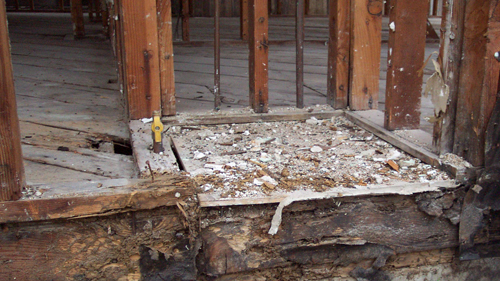
Balcony guardrails are required by building codes to withstand a minimum 200-pound concentrated structural load to ensure occupant safety. If water penetrates a flat stucco handrail, it becomes trapped within the enclosed wooden framework, creating an environment ripe for fungal wood rot. As the dimensional lumber decays, it loses its structural capacity, eventually leading to a guardrail that can no longer safely support the required lateral loads, posing a critical safety hazard.
What Is The Best Practice For Sealing Horizontal Stucco Surfaces?
While standard exterior house paint is sufficient for vertical walls, horizontal stucco surfaces benefit greatly from specialized elastomeric coatings. Elastomeric paints are highly flexible and apply in a thicker film than traditional acrylic paints. This allows the coating to bridge minor hairline cracks that naturally occur in stucco as the building settles and experiences thermal expansion, creating a superior, watertight membrane over the vulnerable flat sections of the balcony.