The Hidden Reality Of Treated Lumber And Structural Decay
Many homeowners and novice builders operate under the assumption that heavily treated wood products are completely immune to environmental decay. It is a common misconception that utilizing utility poles or commercially treated lumber will guarantee a permanent, rot-free structure. However, real-world construction environments tell a different story. Even wood engineered to withstand severe outdoor elements will eventually succumb to moisture, fungal rot, and wood-destroying insects if not managed correctly.
Why Treatment Penetration Matters
When evaluating salvaged utility poles or pressure-treated posts, it is vital to understand how the chemical preservation process works. The preservative treatment rarely permeates the entire cross-section of heavy timbers. Instead, it forms a protective barrier around the perimeter of the wood, leaving the dense inner heartwood mostly untreated.
If the outer barrier is breached by deep cracks, known as checking, or if the wood is cut to size on the job site, the vulnerable interior is immediately exposed. Over time, moisture wicks into these untreated zones, creating a prime environment for internal rot and termite infestation to take hold.
The Danger Of Trapped Moisture
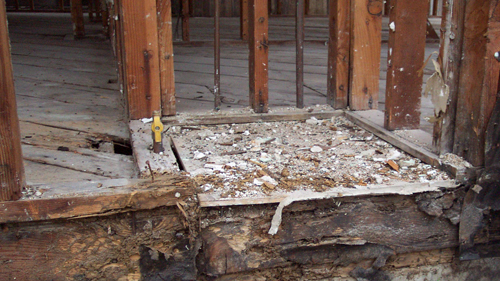
Even in relatively dry climates, localized moisture can destroy treated wood. A frequent construction error involves wrapping treated posts in materials that lack breathability, such as applying stucco directly over the wood without an appropriate moisture barrier or drainage plane. This practice traps ambient condensation and ground moisture against the wood surface. The prolonged dampness accelerates the decay process, silently deteriorating the structural integrity of the post from the inside out, often remaining entirely invisible until failure occurs.
Prioritizing Structural Longevity
Understanding the limitations of treated lumber does not mean avoiding it altogether. Treated wood remains a fundamental and highly effective building material for outdoor projects and structural foundations. The key to structural longevity lies in proper application, ensuring the material is rated for its specific use environment, and avoiding design flaws that trap water. By acknowledging that treated wood is decay-resistant rather than decay-proof, builders can implement smarter design strategies to maximize the lifespan of their foundations and structural supports.
Three Key Tips For Working With Treated Lumber
Verify the correct use category: Always ensure the lumber you purchase is specifically rated for its intended application. Wood used for structural supports touching the earth must be rated for ground contact, which dictates a much higher retention level of preservatives than wood rated strictly for above-ground use.
Seal all cut ends: Whenever you cut a piece of treated lumber, you expose the untreated interior wood fibers. Always apply a copper naphthenate wood preservative or a similarly approved end-cut solution to the freshly cut surfaces to restore the protective chemical barrier.
Prevent moisture trapping: Never encase wood structural supports directly in stucco, concrete, or non-permeable membranes without utilizing a proper capillary break or drainage gap. Wood must be allowed to breathe and dry out when it gets wet to prevent accelerated fungal decay.
Frequently Asked Questions About Treated Wood And Building Codes
To further expand on the realities of working with treated lumber, here are some common questions we receive regarding building standards and structural longevity.
Does The International Residential Code Require Special Fasteners For Treated Wood?
Yes, building codes strictly regulate the structural hardware used with treated lumber. Modern wood treatments rely on high concentrations of alkaline copper quaternary or copper azole, both of which are highly corrosive to standard steel. To prevent structural failure caused by rapidly rusting hardware, standard building codes dictate that all fasteners, hangers, and brackets in contact with preservative-treated wood must be made of hot-dipped galvanized steel, stainless steel, silicon bronze, or copper.
Can You Set Treated Structural Posts Directly Into Concrete?
While some local jurisdictions may still permit setting ground-contact rated wood posts directly into a concrete footing, the universally accepted best practice in modern structural engineering is to use elevated metallic post bases. Setting a post deeply in wet concrete creates a basin that traps moisture against the wood fibers. A galvanized steel standoff bracket keeps the bottom of the wood post at least one inch above the concrete surface, facilitating proper drainage and airflow to prevent premature decay.
What Is The Required Clearance Between Untreated Wood And Soil?
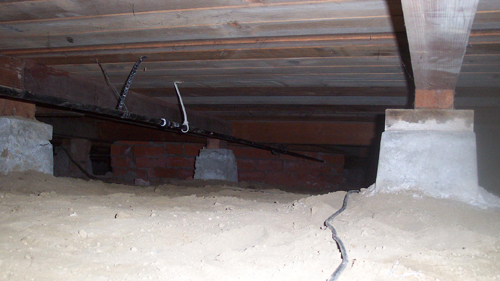
Building codes mandate specific physical clearances to protect untreated structural wood from ground moisture and subterranean termites. Standard residential codes require that untreated wood floor joists must maintain a minimum clearance of 18 inches from the exposed earth below. Untreated wood girders and heavy beams require at least 12 inches of clearance from the soil. If a building design cannot physically accommodate these minimum distances, the builder must utilize approved preservative-treated wood or a naturally durable wood species to pass inspection.