Protecting Exterior Wood From Mold And Moisture Damage
Exterior wooden structures are constantly exposed to the elements, making them vulnerable to a variety of moisture-related issues. If your property features exterior wood located in persistently shaded areas, you run a high risk of developing mold, mildew, fungus, dry rot, and moss. This risk is amplified in humid climates or coastal regions where moisture lingers in the air. When sunlight fails to reach these shaded sections, the wood remains damp, creating an ideal breeding ground for destructive organic growth.
The Dangers Of Untreated Organic Growth On Wood
What might initially appear as a minor aesthetic issue, such as a green patch of moss or a dark mildew stain, is often the beginning of a severe structural threat. When moisture is trapped on or within the wood grain by these organisms, it inevitably leads to wood rot. Over time, rot degrades the structural integrity of the timber, leading to extensive and costly property damage. Addressing this organic growth at the first sign of trouble is essential to preserving the lifespan of your exterior building materials.
Painting over organic growth merely traps the moisture and the organisms beneath a thin film. The mold will continue to thrive unseen, ultimately causing the new paint to fail and the wood to decay from the inside out. Always ensure the wood is completely clean and dry before applying any protective coatings.
Managing Surrounding Vegetation
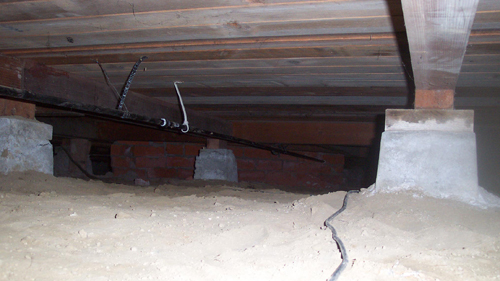
The physical environment surrounding your wooden structures plays a major role in moisture control. Often, property owners allow plants, moss, or landscaping materials to grow directly against wooden support posts resting on concrete footings. This creates a bridge for moisture and bacteria to bypass protective air gaps and soak directly into the wood. All vegetation must be cleared away from wooden structural members. While a two-inch clearance provides a baseline defense, maintaining a buffer of at least six inches between organic plant life and exterior wood is highly recommended to promote adequate airflow and rapid drying.
Three Key Tips For Exterior Wood Maintenance
Eradicate Before You Coat: Never paint, stain, or seal wood that currently harbors mold or mildew. You must use a dedicated wood-cleaning solution to kill and remove the spores, allowing the timber to dry completely before applying any surface finishes.
Maintain A Vegetation Buffer: Keep all plants, moss, and landscaping foliage at least two to six inches away from exterior wood posts and walls. This spacing prevents moisture wicking and ensures proper air circulation to dry the wood after heavy humidity or rain.
Establish A Monitoring Routine: Pay special attention to the shaded, damp areas of your property. Inspect these vulnerable spots regularly to catch early signs of fungal growth or moss before they have the opportunity to penetrate the wood surface and cause irreversible rot.
Proper Cleaning And Eradication Strategies
When identifying organic growth like moss or mold on exterior wood assemblies, immediate and methodical remediation is essential to preserve the structural integrity of the building envelope. Moisture is the primary driver of wood decay, and fungal organisms require sustained elevated moisture levels to thrive. To effectively sanitize the affected lumber or siding, you must utilize specialized fungicidal cleaning agents formulated specifically for wood.
To safely eradicate the growth without compromising the wood, consider the following best practices:
Apply an oxygenated bleach or commercial exterior wood biocide
Allow the solution adequate dwell time to penetrate the fungal root system
Agitate the surface gently with a soft bristle brush
Rinse thoroughly with low pressure water rather than destructive high pressure streams
Applying exterior paint, solid stain, or penetrating sealants directly over active mold or moss is a severe violation of basic building science principles. Coating over living organic matter traps the moisture and the fungal root systems beneath an impermeable or semi-permeable film. The organisms will continue to metabolize the wood fibers unseen, degrading the cellulose and lignin. This internal decay process ultimately causes premature failure of the new coating through blistering and peeling, while simultaneously destroying the wood from the inside out and potentially compromising structural components if left unchecked.
Before applying any protective finishes, the sanitized wood must be allowed to dry thoroughly. International Residential Code guidelines and standard building science dictate that structural wood and exterior cladding should have a moisture content reading below nineteen percent before being enclosed or sealed, though aiming for fifteen percent or lower is considered best practice for coating adhesion. Utilizing a calibrated pin or pinless moisture meter is the most reliable method to confirm the wood has reached equilibrium with the ambient environment, ensuring the new finish will bond properly and provide lasting protection against weather intrusion.
To further expand on protecting your exterior wood and structural assemblies, here are answers to some common questions regarding building science and moisture management.
At What Point Should Moldy Exterior Wood Be Replaced Rather Than Cleaned
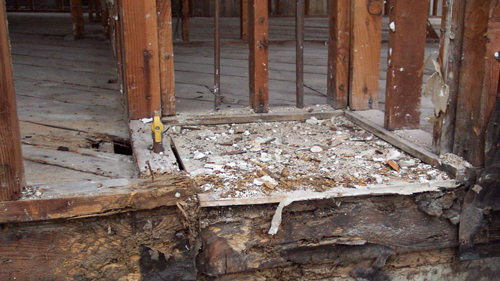
While superficial mold can be eradicated with biocides, wood must be entirely replaced when fungal decay has compromised its load bearing capacity or fastener holding strength. Building science differentiates between surface mold, which feeds on dust and sugars on the surface, and wood decay fungi, which actively consume the structural cellulose. If a probe, such as a screwdriver, easily penetrates the wood surface, or if the wood appears soft, crumbly, or structurally deflected under a load, the structural integrity is lost. In these cases, no amount of cleaning will restore the span capacity, and the compromised member must be removed and replaced following standard framing practices.