Safe Techniques For Shoring And Replacing A Structural Post
Replacing a structural post for a patio, deck, or balcony is a high-stakes project that requires careful planning and rigid safety protocols. When you remove a load-bearing element, the weight of the structure above must be seamlessly transferred to a temporary shoring system. A hydraulic jack is typically used to lift the beam, but relying solely on a jack is highly dangerous. If the jack shifts, loses pressure, or wiggles loose, the entire structure could collapse. To prevent catastrophic failure, a temporary support post must be installed alongside the jack to act as a fail-safe backup. The key to a successful replacement is ensuring this temporary post is locked perfectly in place, both at the top and the bottom, while still allowing the beam to be lifted slightly.
Securing The Top Of The Temporary Support
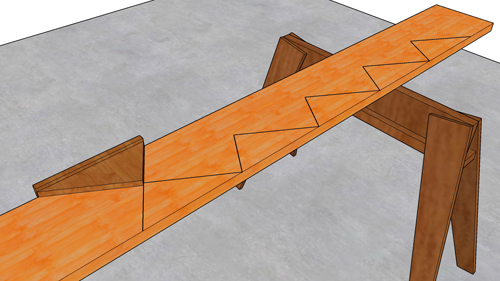
One of the most common and dangerous mistakes made during post replacement is placing a temporary support post underneath the beam without properly fastening it. If the post is unattached, the moment the jack raises the beam, the temporary support can easily fall out. To prevent this, the temporary post must be mechanically fastened to the beam. You can achieve this using heavy-duty metal strapping or by fabricating structural gussets out of plywood or dimensional lumber. By driving structural screws through the gusset into both the beam and the temporary post, you ensure that as the beam is lifted, the temporary post raises with it rather than dropping to the ground.
Anchoring The Base To Prevent Lateral Movement
Just as the top of the temporary post must be secured, the base must be restricted from kicking out laterally. If your temporary post is resting on soil near the edge of a concrete slab, driving a heavy wood or metal stake deeply into the ground and fastening it to the base of the post provides excellent lateral restraint.
When the beam is jacked up, the stake will simply lift slightly out of the ground along with the post, keeping the assembly vertically aligned. If your post is positioned further inward over a large concrete slab, you will need to get creative. You can build a rigid brace by running a horizontal board along the slab and securing it to adjacent, stable structures or heavy framing, which will hold the base of the temporary post firmly in place.
Utilizing A Captive Pocket Or Slip Joint
For maximum security, you can build a structural slip joint, often referred to as a captive pocket. This involves building a collar of scrap wood around either the top or bottom of the temporary post. In a bottom-pocket scenario, a rigid wooden box is framed around the base of the post and securely anchored to the ground or adjacent framing. The temporary post sits inside this pocket. When the hydraulic jack lifts the beam, the temporary post raises slightly, sliding vertically within the pocket without ever losing its lateral support. This method guarantees that the support structure cannot swing or kick out horizontally during the lift.
Lift Only As Much As Necessary
When using the hydraulic jack, precision is crucial. The goal is to relieve the weight resting on the old post, not to elevate the roofline or deck structure. You generally only need to lift the beam about a half-inch to remove the old timber and slide the new one into place. Over-lifting can severely damage the surrounding structure, cracking drywall, stressing connections, and distorting roof framing. Keep the lift minimal, swap the posts, and gently lower the beam onto the new, permanent support.
Three Key Construction Tips
Never rely on gravity alone to hold a temporary support post. Always mechanically fasten the top of your temporary shore to the structural beam using metal hardware or structural wood gussets so it cannot fall when the beam is lifted.
Restrict your lifting height to a maximum of one-half inch. Raising a structural beam any higher than necessary to clear the old post can cause immense stress to the attached framing, potentially causing widespread structural damage.
Always lock the base of your temporary post to prevent lateral kick-out. Whether you use deep ground stakes or a captive wooden pocket on a concrete slab, the base must be physically restrained from shifting horizontally under heavy loads.
Bonus Questions And Answers
What Type Of Jack Is Required To Safely Lift A Load-Bearing Beam
While replacing a post, selecting the correct lifting equipment is paramount for site safety.
You should use a hydraulic bottle jack or a heavy-duty mechanical screw jack that is explicitly rated to handle the tributary load of the structure above. Standard automotive floor jacks are highly unstable for vertical framing lifts and should never be used. Under standard building practices, the jack should rest on a wide, solid base block to distribute the point load, preventing the jack from punching through a thin concrete slab or sinking into the soil.
Does A Temporary Support Post Need Its Own Footing Or Foundation
Understanding how weight transfers to the ground is a vital part of structural shoring.
Yes, if your temporary support post is resting on bare dirt rather than a concrete slab, it absolutely requires temporary load distribution, commonly known as cribbing or a mudsill. The transcript mentions using stakes to prevent lateral movement, but a stake does not support vertical weight. A raw 4x4 post placed directly on soil will sink under the weight of a roof or deck. You must place a wide, thick piece of lumber or heavy timbers flat on the ground to distribute the immense vertical pressure across a wider surface area of the soil.
Are Building Permits Required For Replacing A Structural Patio Post
Navigating local building codes is an essential step before beginning any structural alterations.
Because building practices and administrative rules vary heavily by local jurisdiction, you must check with your local building department, but the universally accepted rule under the International Building Code and International Residential Code is that altering, removing, or replacing load-bearing elements requires a building permit. Because this work involves structural integrity and life-safety, many jurisdictions also require a quick review by a structural engineer to ensure the replacement post and new hardware connections meet modern wind and seismic uplift requirements.