The Hidden Dangers Of Direct Roof Attachments
In past decades, it was common practice for telecommunications companies and satellite television providers to attach dishes and receiving equipment directly to the surface of a residential roof. Today, this installation method is increasingly discouraged by roofing professionals and structural engineers. The primary reason for this industry shift is the extensive structural damage that occurs when exterior building envelopes are improperly compromised.
How Improper Installations Compromise Structural Integrity
Attaching heavy equipment, such as satellite dishes or pool-heating solar arrays, requires drilling anchoring bolts through the roofing material and into the structural decking or framing members below. When untrained installers perform this work, they frequently fail to implement the necessary waterproofing protocols.
A common, heavily flawed approach involves drilling a penetration, applying a layer of silicone sealant, and driving the lag bolt directly into the roof assembly. Over time, ultraviolet radiation, extreme temperature fluctuations, and natural building settlement cause surface sealants to shrink, crack, and eventually fail entirely.
The Long Term Consequences For Roof Framing
Once the sealant degrades, the penetration becomes a direct channel for water intrusion. Rainwater follows the threads of the bolts directly into the roof deck, rafters, or engineered trusses. Because the leak is hidden beneath the roofing material and attic insulation, it often goes undetected for years.
This persistent moisture accumulation initiates a catastrophic chain reaction, creating an environment ideal for wood decay fungi. As the structural lumber rots, the wood loses its load-bearing capacity, compromising the stability of the entire roof system. Recognizing how a simple bolt hole can eventually cause a structural failure is the first step in preventing highly expensive roof reconstruction.
Three Key Tips
Do Not Rely On Surface Sealants As A Waterproofing Strategy. While applying silicone or roofing mastic around a bolt head may temporarily repel water, it is not a permanent waterproofing solution. Sealants break down rapidly under direct sunlight and thermal expansion. True waterproofing requires proper mechanical flashing that integrates with the existing shingle or tile courses to naturally shed water away from the penetration.
Monitor Historical Equipment Locations For Hidden Rot. If you have purchased a home that previously had a satellite dish or a legacy solar array mounted on the roof, inspect the attic space directly beneath those areas. Look for dark water stains on the roof decking or signs of white or brown rot on the rafters. Early detection of a slow leak can save the primary structural framing from requiring total replacement.
Prioritize Fascia Or Ground Mounts Over Roof Penetrations. Whenever feasible, opt for installation methods that do not require penetrating the horizontal planes of your roof. Mounting equipment to the fascia board or utilizing a dedicated ground pole eliminates the risk of introducing a leak directly over your living space and protects your roof's protective envelope.
Bonus Questions And Answers
While the information above outlines the primary causes of water intrusion from surface mounts, protecting a building requires a thorough understanding of building science. Here are a few additional structural and code-related considerations that go beyond the surface.
What Is The Code Approved Method For Sealing Roof Penetrations?
According to the International Residential Code, specifically regarding roof assemblies, all penetrations must be protected by approved flashing. Flashing consists of corrosion-resistant metal or specialized membranes layered in a specific overlapping pattern to redirect water flow. The building code strictly dictates that flashing must be installed in a manner that prevents moisture from entering the wall and roof through joints or penetrations. Relying solely on caulking or liquid sealants to waterproof a bolt hole does not meet standard code requirements for roof penetrations and will inevitably lead to water intrusion.
Can Roof Trusses Be Repaired If Water Damage Occurs?
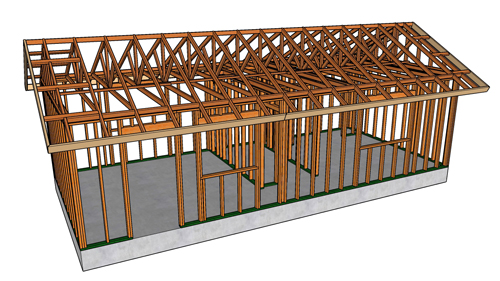
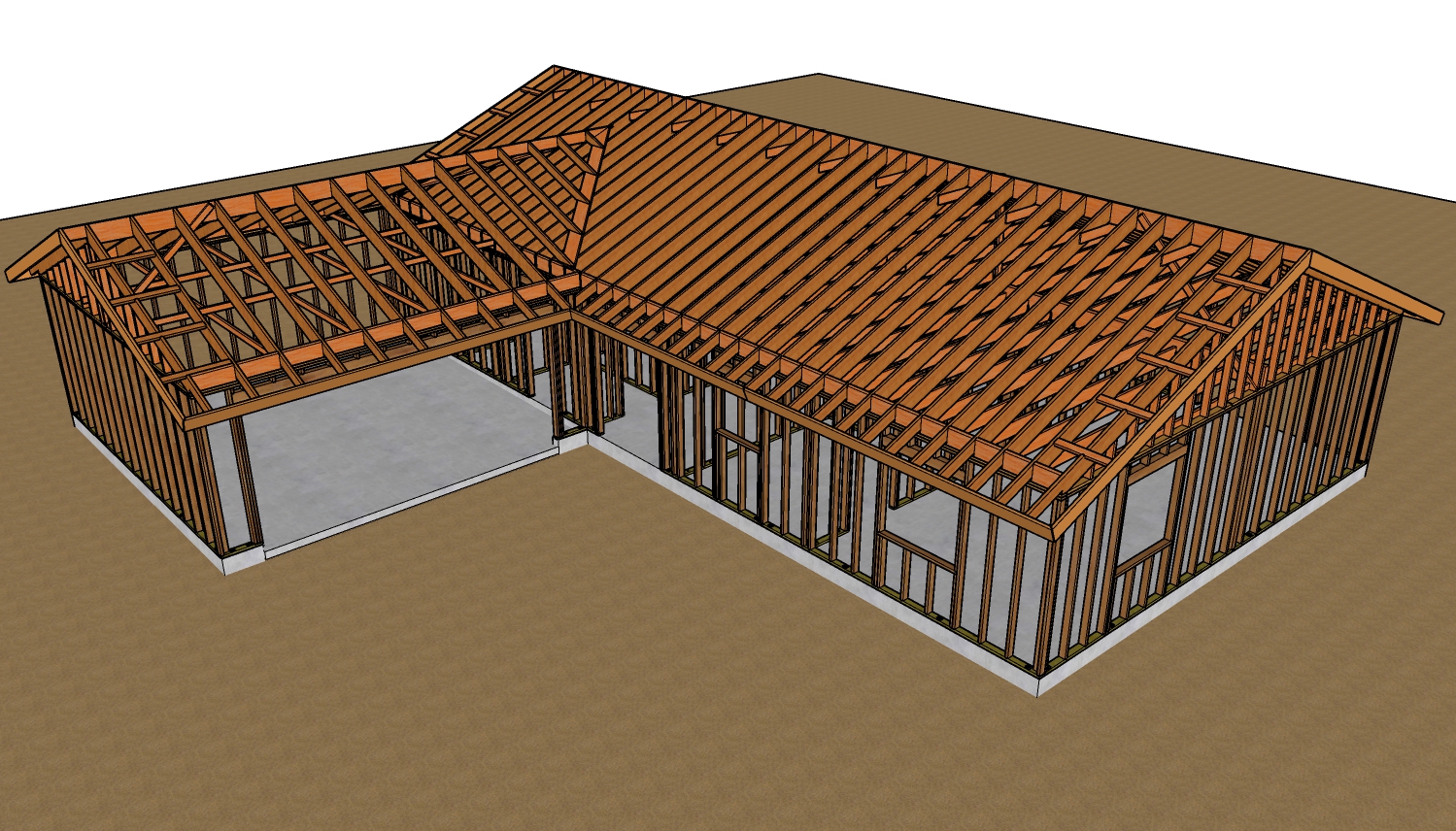
If a leaky roof mount causes an engineered wood truss to rot, you cannot simply cut out the damaged section and nail a new piece of lumber in its place. The building code states that any alteration, splicing, or repair of an engineered truss requires the direct approval of a registered design professional, typically a licensed structural engineer. Trusses are precisely calculated systems where every member is under specific tension and compression loads. Improperly patching a water-damaged top chord can lead to localized structural failure or a sagging roofline.
Do Solar Panel Installations Require A Structural Engineering Review?
Yes, adding large solar arrays or thermal pool heating panels fundamentally changes the forces acting upon the roof framing. The International Building Code dictates that existing structures must be evaluated for their capacity to handle both the additional dead load, which is the physical weight of the equipment, and the increased wind uplift forces created by the panels. A roof designed only to support the weight of standard shingles may require structural reinforcement, known as sistering, to safely support the newly introduced loads and maintain compliance with local wind speed ratings.