Identifying And Preventing Localized Exterior Wood Rot And Termite Damage
When inspecting a building exterior, finding an isolated pocket of dry rot or termite damage can be puzzling. Why is one specific area compromised while the rest of the structure remains intact? The answer almost always traces back to a consistent, localized moisture source. Understanding how to identify and remediate these underlying water issues is essential for preserving the integrity of a home's structural framing.
The Role Of Moisture In Structural Degradation
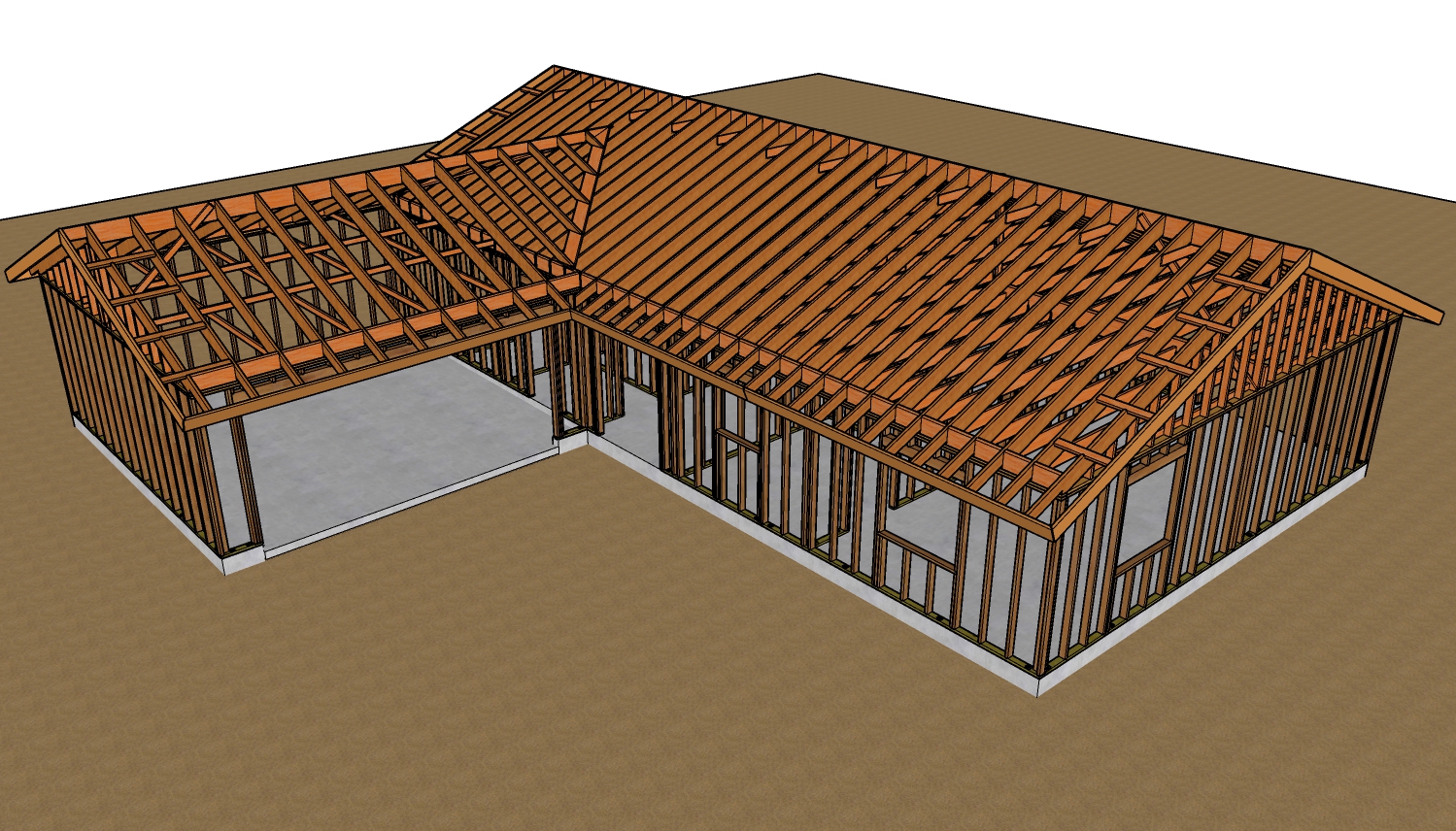
Wood destroying organisms, particularly termites, thrive in damp environments. When exterior wood framing components, such as exposed rafter tails, corbels, or false cantilever joists, are subjected to a steady supply of moisture, they become highly susceptible to infestation. This moisture often originates from condensation runoff or malfunctioning roof gutters. In coastal or high-humidity regions, daily morning dew can create a continuous cycle of water soaking into exposed wood. Over time, this constant saturation breaks down the wood fibers and attracts pests.
Investigating The Source Of Isolated Damage
Upon discovering a single concentrated area of wood decay, the immediate priority is investigating the surrounding environment. Look directly above the damaged section. Often, the culprit is a failing gutter system, a blocked downspout, or improper roof flashing that allows water to cascade directly onto the wood components below. Addressing the structural repair is secondary to stopping the water intrusion. Failing to eliminate the root cause guarantees that the damage will return, regardless of how thoroughly the wood is patched or replaced.
Mitigating Long Term Structural Risks
Localized exterior damage is frequently an indicator of more severe, hidden issues within the wall cavities. Termites migrating from the soil to reach wet roof framing leave a trail of destruction through the interior wall studs and plates. Property owners must take immediate action to halt the water supply. Even if complete structural replacement of the damaged lumber must be deferred, correcting the drainage or gutter failure immediately is crucial to prevent further decay and mitigate the risk of extensive, costly repairs.
Three Essential Tips For Managing Localized Wood Decay
Always locate the moisture source: When evaluating an isolated pocket of dry rot, inspect the immediate surroundings, particularly overhead roof drainage systems, to identify the exact water source causing the decay.
Never blindly remove structural members: Even if exterior joists or corbels appear to be decorative or false cantilevers, never remove or cut them without having a qualified structural professional verify that they are not actively supporting the roof load.
Stop the water intrusion immediately: If immediate structural lumber replacement is not financially feasible, prioritize repairing the failing gutter or flashing to cut off the moisture supply, which will slow the progression of termite damage and rot.
Frequently Asked Questions About Exterior Framing And Moisture
While addressing localized roof and gutter leaks is a critical step in preserving your home's framing, understanding broader building science principles can further protect your property from wood destroying organisms.
What Are The Building Code Requirements For Wood Placed Near The Ground?
To prevent moisture wicking and subterranean termite access, the International Residential Code requires a minimum clearance of six inches between untreated structural wood and the exterior ground surface. This separation ensures that siding and framing do not absorb moisture directly from the soil. If architectural designs require wood to be placed closer to the earth, builders must utilize approved preservative-treated lumber or naturally durable wood species to comply with building safety standards and resist decay.
How Does Proper Roof Drainage Protect A Foundation?
Effective water management extends beyond protecting roof framing; it is essential for overall structural stability. Building guidelines stipulate that surface water must be diverted away from the foundation walls. When gutters fail or downspouts dump water directly at the base of a wall, the soil becomes saturated. This increases hydrostatic pressure against the foundation and creates an ideal, damp environment for termites to establish colonies before migrating upward into the wall cavities. Downspouts should discharge water a safe distance away from the structure to ensure proper site drainage.
What Materials Should Be Used For Exposed Exterior Wood Trim And Joists?
Because exterior architectural features like rafter tails and corbels face constant exposure to weather, standard untreated framing lumber is highly vulnerable to rot. Building codes dictate that wood components exposed to the weather and lacking adequate roof protection must be constructed from naturally decay-resistant wood, such as redwood or cedar, or properly rated preservative-treated lumber. Utilizing these approved materials significantly reduces the risk of fungal decay and insect infestation over the lifespan of the building.