Navigating Steep Roofs Safely For Maintenance And Repairs
Working on steep-pitched roofs presents unique challenges for contractors and homeowners alike. Whether the task involves painting dormers, repairing asphalt shingles, or applying new siding, accessing these elevated areas requires specialized equipment and a firm understanding of safety protocols. Navigating a steep incline without the proper gear is hazardous and strictly discouraged in professional residential and commercial construction.
Understanding The Chicken Ladder System
One of the most common methods professionals use to access finished, high-pitch roofs is a tool often referred to as a chicken ladder or a roof ladder. This system typically involves using a specialized heavy-duty ridge hook attached to the top rungs of a single straight ladder. The hook securely anchors over the peak of the roof, resting on the opposite side of the ridge to counterbalance the weight of the worker.
In some variations, two ladders are securely connected at the peak, draping down opposite sides of the roof structure. This setup allows a worker to traverse the roof vertically and can be carefully rolled or shifted horizontally across the slope to perform extensive exterior maintenance without damaging the finished roofing material.
Alternative Framing Access Methods
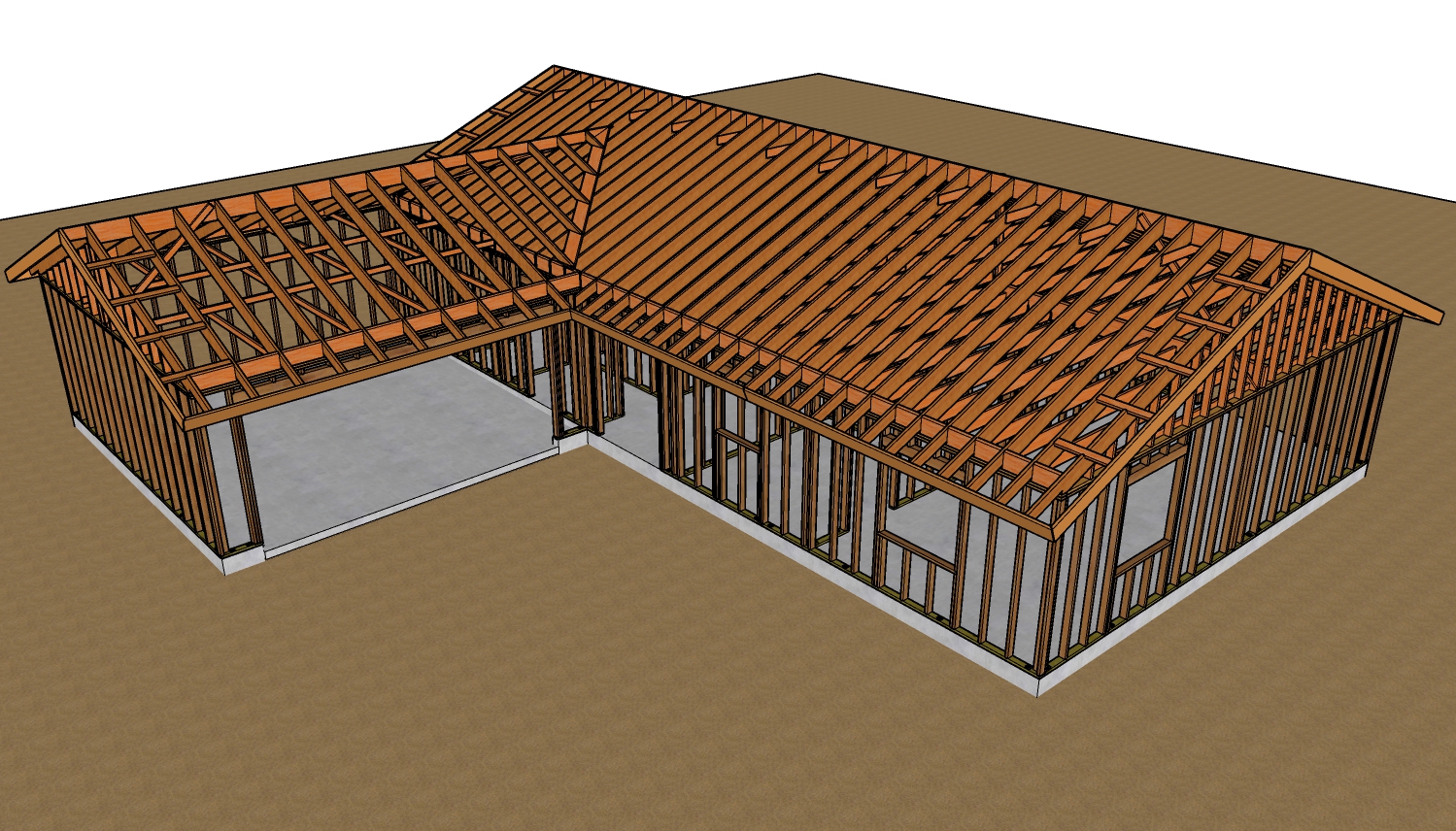
While roof ladders are ideal for finished surfaces that cannot be punctured, different access methods apply during the initial framing or decking phases of construction. Before the final roofing material is installed, carpenters frequently nail temporary wooden cleats, typically two-by-four lumber, directly into the structural roof trusses or rafters. These toe boards provide a secure foothold for workers to stand on while installing underlayment or shingles. Once the roofing application reaches the cleat, the wood is removed. It is a strict industry standard that temporary cleats must never be nailed through a finished, weatherproofed roof, as this violates building envelope integrity and will cause severe water leaks.
The Physical Toll Of High Elevation Work
Performing construction tasks on a steep incline is physically demanding. Workers must constantly maintain three points of contact and manage their center of gravity, which quickly leads to muscular fatigue. Furthermore, the necessity of securing materials to prevent them from sliding off the roof adds complexity to the job. Because working at these angles requires intense physical exertion and concentration, leveraging the right structural supports and safety equipment is the only way to successfully complete a high-slope project.
Three Essential Tips For Steep Roof Maintenance
Employ proper ridge hooks for finished roofs. When a roof is already shingled or painted, always use a manufactured, load-rated roof hook properly attached to an appropriate ladder to distribute weight safely and prevent surface damage.
Utilize temporary roof cleats during the framing stage. When installing roof decking or underlayment, temporarily securing two-by-four boards to the underlying structural framing provides a stable walking surface.
Manage physical fatigue and tool security. Working on a steep pitch requires constant balance. Always secure tools with lanyards or specialized tool belts to prevent them from dropping and creating strike hazards for individuals on the ground below.
Frequently Asked Questions About Steep Roof Construction
Beyond the fundamental equipment used to traverse steep pitches, there are several strict building codes and structural principles governing roof construction and safety.
Question: What Defines A Steep Slope Roof According To Building Codes?
Answer: In construction and building code terminology, a steep-slope roof is generally defined by the International Residential Code as having a pitch of 4:12 or greater, meaning the roof rises four inches vertically for every twelve inches of horizontal run. The code dictates different underlayment and fastening requirements based on this threshold. For roofs with a slope lower than 4:12, specific low-slope weatherproofing applications are required to prevent water infiltration, whereas steep-slope roofs rely more heavily on gravity to shed water effectively over overlapping materials.
Question: Are Personal Fall Arrest Systems Required On Residential Roofs?
Answer: Yes, occupational safety regulations universally require fall protection for construction workers exposed to a fall hazard of six feet or more to a lower level. Even when using a roof ladder or toe boards, a personal fall arrest system must be utilized. This typically involves wearing a full-body harness connected by a shock-absorbing lanyard to an approved roof anchor. The anchor must be securely fastened directly into the structural roof framing, such as the rafters or trusses, rather than just the plywood decking, to ensure it can withstand the immense dynamic force of a falling worker.