The Hidden Dangers Of Multiple Roofing Layers
When evaluating the condition of older residential properties, one specific issue requires careful attention from both buyers and building professionals: the presence of multiple layers of roofing shingles. While layering new shingles directly over old ones might seem like a practical and cost-effective method to seal out water, this practice introduces significant structural and material risks to the building. Understanding the mechanics of why roof overlays fail is essential for maintaining a safe and durable structure.
Structural Integrity And Dead Load Capacity
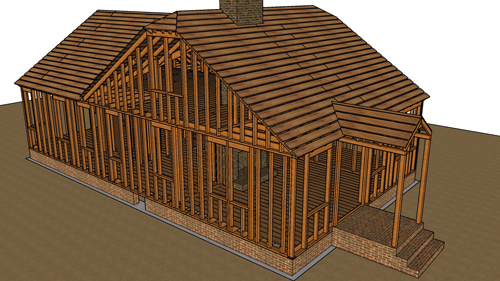
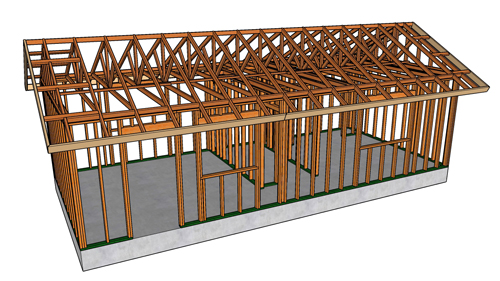
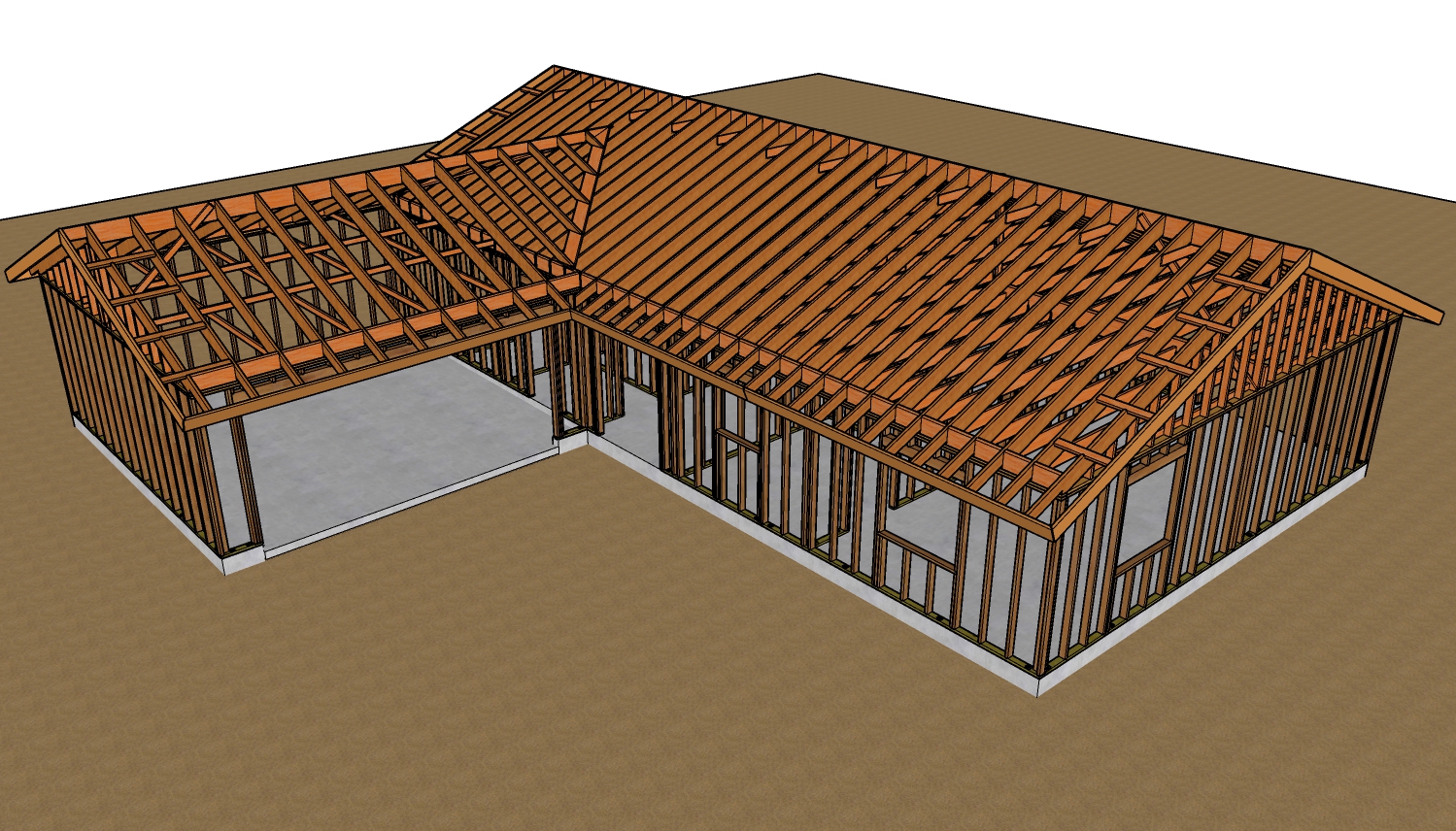
The most immediate danger of applying multiple layers of composition shingles is the excessive weight added to the roof structure. In structural engineering, the permanent weight of the building materials is known as the dead load. Roof framing systems, including rafters and trusses, are engineered to support a specific maximum dead load alongside environmental live loads like snow or wind. A single layer of standard asphalt shingles adds considerable weight to a roof assembly. Multiplying that weight by two or three layers can easily exceed the structural limits of the original framing, leading to sagging roof decks, compromised structural integrity, and in extreme cases, partial framing failure.
Heat Buildup And Premature Material Deterioration
Beyond the structural weight concerns, placing new shingles directly over existing layers fundamentally alters the thermal dynamics of the roof assembly. Roofing materials rely on proper heat dissipation to maintain their structural integrity. When a new layer is installed over an old one without an appropriate barrier, thermal transfer is disrupted. The underlying layer traps solar heat, causing temperatures to build up intensely within the shingle sandwich.
This excessive, trapped heat accelerates the degradation of the top layer of shingles. The asphalt components begin to separate, and the embedded protective granules release prematurely. The resulting damage causes the shingles to visibly deteriorate, curl, and fall apart well before their expected lifespan. Because the new shingles cannot lay flat against the uneven surface of the older, curled shingles, the entire system becomes highly vulnerable to wind uplift and rapid weathering.
The Importance Of Comprehensive Roof Inspections
The roof serves as the primary defensive barrier for the entire home, shielding the interior framing, insulation, and living spaces from moisture intrusion. Because the condition of the roof dictates the health of the broader structure, visual inspections are paramount. Identifying uneven surfaces, excessive shingle thickness at the eaves, or severe granule loss can indicate the presence of failing multiple layers, signaling that a complete tear-off and replacement will soon be necessary to restore the building to safe standards.
Three Key Construction Tips
Always calculate the existing dead load of a roof before considering an overlay, as older framing systems may require a complete tear-off to avoid exceeding the structural weight capacity.
Inspect current shingle layers for signs of premature heat degradation, such as severe granule loss or delamination, which indicates that thermal trapping is already damaging the roof covering.
Prioritize removing all existing roofing materials down to the roof deck during a replacement to ensure a flat, secure nailing surface and to maximize the functional lifespan of the new composition shingles.
Bonus Questions And Answers
While the provided video covers the primary concerns of overlapping roof layers, property owners often encounter additional questions regarding modern building standards and overall roof performance.
What Is The Building Code Limit For The Number Of Roof Layers Allowed On A Residential Home?
According to the International Residential Code, which serves as the foundational standard for most local building jurisdictions, a roof recover shall not be permitted if the existing roof has two or more applications of any type of roof covering. This means a residential structure is legally limited to a maximum of two roofing layers. If a roof already has two layers of shingles, a complete tear-off down to the structural sheathing is legally mandated before any new roofing materials can be installed.
Will Installing New Shingles Over Old Ones Void The Manufacturer Warranty?
Yes, in the vast majority of cases, applying new asphalt shingles over existing layers will heavily restrict or completely void the manufacturer warranty. Roofing manufacturers engineer their products to be installed over a clean, flat deck with a specific approved underlayment. The uneven surface of old shingles prevents the new adhesive tar strips from sealing properly, and the excessive heat trapped between the layers causes the new material to break down at an accelerated rate that the manufacturer will not cover.
How Does A Roof Overlay Affect The Ability To Inspect The Underlying Roof Deck?
Leaving old shingles in place completely conceals the wood sheathing beneath them, making it impossible to evaluate the structural integrity of the roof deck. A full tear-off is the only reliable method to expose the plywood or oriented strand board sheathing, allowing contractors to identify and replace sections compromised by wood rot, water damage, or mold. Installing an overlay effectively traps existing moisture problems inside the roof assembly, allowing rot to spread unchecked into the structural framing.