The Hidden Dangers Of Installing New Siding Over Old Stucco
When upgrading the exterior of a home, property owners are often tempted to take shortcuts to save time and money. One common method involves attaching wooden nailers directly onto existing stucco and fastening new vinyl or wood shake siding right over the top. While this approach might yield an attractive finished product in the short term, it completely ignores the condition of the structural components hidden underneath. Upgrading your exterior cladding should be an opportunity to improve your home's weather envelope, not a cosmetic patch to bury existing problems.
Why Covering Old Cladding Is A Costly Mistake
The most significant risk of layering new siding over an old exterior is concealing active water damage. Stucco and older siding materials can develop hairline cracks or flashing failures over time, allowing moisture to seep into the wall cavity. By installing a new exterior facade over the old one, contractors often trap existing mold, mildew, and dry rot inside the structure. Leaving decayed wood framing unaddressed will eventually compromise the structural integrity of the wall. Any cosmetic repairs made to the surface layer are practically useless if the foundational framing underneath is slowly rotting away.
The Proper Method For Exterior Siding Replacement
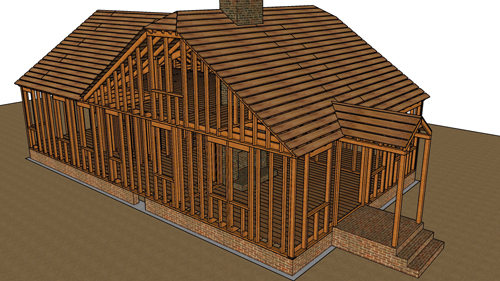
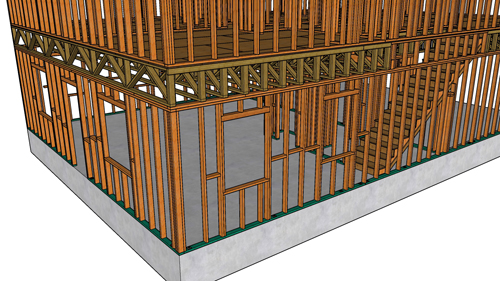
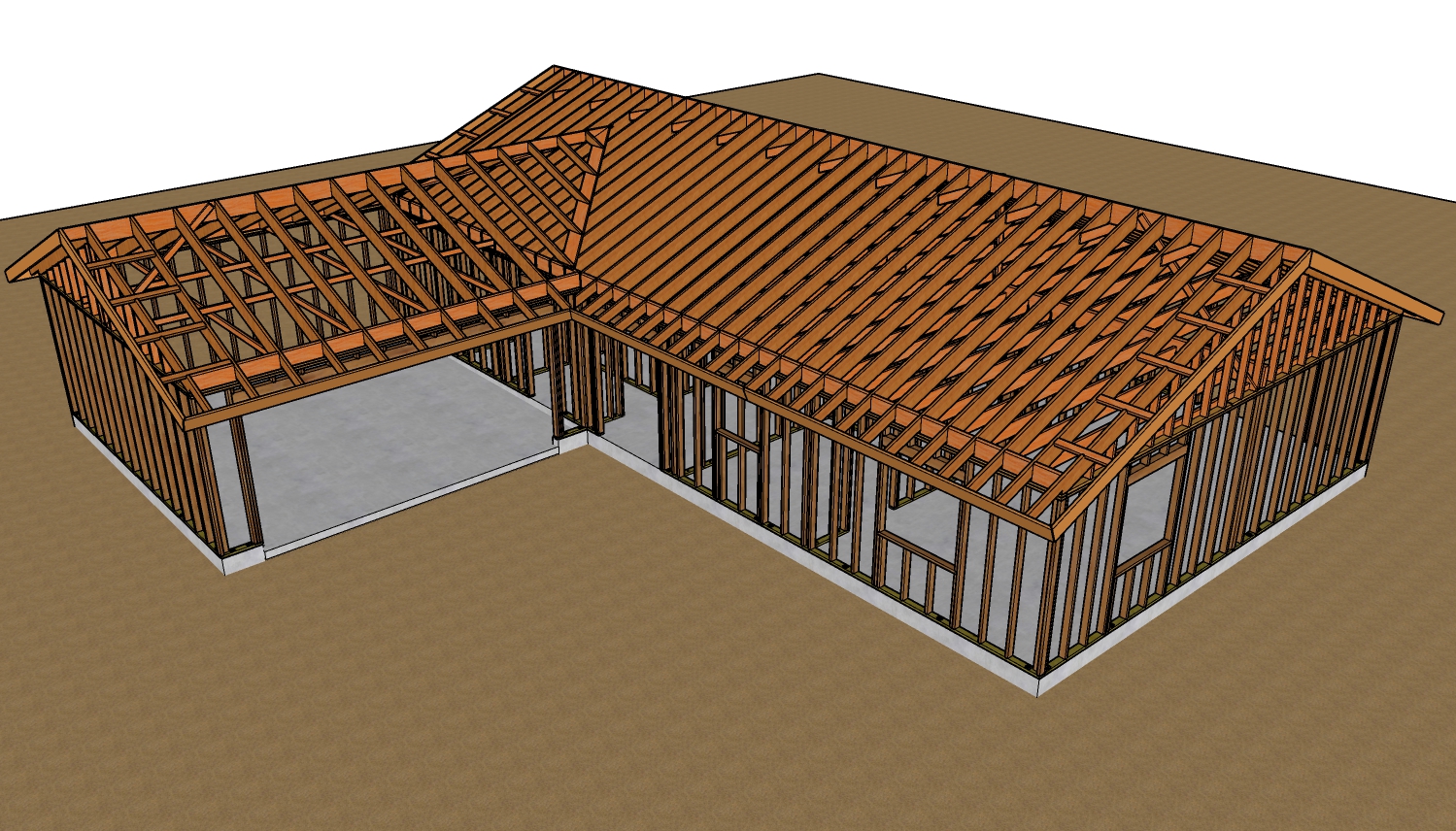
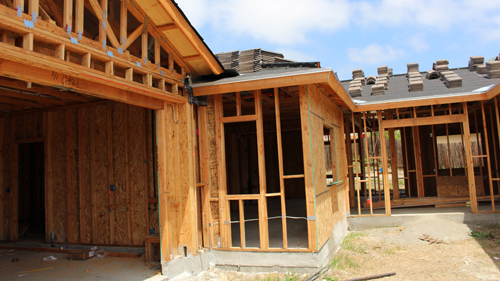
To guarantee a safe and long-lasting siding installation, the original exterior cladding should be completely removed down to the bare wall studs. This exposes the entire framing system, allowing for a comprehensive inspection and the replacement of any damaged wood. Once the framing is confirmed to be structurally sound, a proper exterior backing board or structural sheathing must be applied. Sheathing provides the necessary shear strength for the wall and creates a solid, uniform substrate for the new siding.
Installing A Reliable Waterproof Membrane
After the sheathing is secured, a crucial step is installing an approved water-resistive barrier, such as synthetic house wrap or traditional asphalt-saturated building paper. This membrane serves as the home's primary defense against bulk water intrusion while still allowing trapped moisture vapor to escape. Only after the framing is inspected, the sheathing is fastened, and the weatherproof membrane is correctly overlapped and taped should the new siding material be installed. Doing the job right the first time prevents structural failures and costly future repairs.
Three Key Tips
Never install new exterior wall coverings over surfaces suspected of having mold, mildew, or structural rot.
Remove old stucco and siding down to the structural wall studs to thoroughly inspect the framing for concealed water damage.
Always apply a proper backing board and a verified water-resistant membrane before attaching the final layer of exterior siding.
Bonus Questions And Answers
Does Building Code Require The Removal Of Existing Siding Before Installing A New Layer
While tearing down the old wall covering is strongly advised to check for damage, many homeowners wonder what the building regulations actually dictate. Under the International Residential Code, installing new siding over an existing layer is sometimes permitted, but it depends heavily on the condition of the original cladding and specific local jurisdictional amendments. However, best practice dictates complete removal because layering siding over stucco severely complicates the flashing details around windows and doors, creating critical pathways for water intrusion. Furthermore, adding a thick layer of new materials adds significant dead weight to the wall assembly, requiring verification that the existing structural framing can safely support the extra load.
How Far Into The Structural Studs Do Siding Fasteners Need To Penetrate
If you decide to strip the wall and start fresh, ensuring your new cladding stays securely attached to the building is the next crucial consideration. The International Residential Code mandates that exterior siding fasteners must anchor directly into the structural framing members, rather than just hanging on the sheathing. For wood shingles and standard exterior cladding, fasteners typically must penetrate a minimum of one and a quarter inches into solid wood studs. Attaching furring strips or horizontal nailers exclusively into old stucco or thin surface sheathing provides inadequate withdrawal resistance, which can lead to catastrophic siding failure during high wind events.
Why Is A Rainscreen System Important When Installing Wood Shingles
Once the wall is completely stripped and verified to be structurally sound, managing future moisture accumulation becomes the top priority. Wood exterior shingles naturally absorb and release environmental moisture, meaning they require adequate ambient airflow to dry out completely after a storm. Applying wood shingles directly flush against a water-resistive barrier can trap capillary moisture, accelerating premature decay of the shingles and the fasteners. Utilizing a rainscreen system, which creates a continuous vertical air gap between the waterproof membrane and the back of the siding, allows bulk water to drain safely downward while providing essential ventilation.