Understanding And Managing Window Condensation
Condensation on residential windows is a common issue that obscures visibility and signals potential moisture imbalances within a home. When water droplets form and roll down glass panes or French doors, it is a direct physical response to indoor environmental conditions. While often dismissed as a minor nuisance, persistent window condensation requires attention to prevent long-term structural and cosmetic damage.
The Science Behind Condensation
Moisture forms on windows when there is a significant temperature differential between the interior and exterior environments, combined with elevated indoor humidity levels. When warm, moisture-laden air comes into contact with a cold pane of glass, the air rapidly cools and loses its capacity to hold water vapor. This excess moisture is deposited onto the surface as liquid condensation. This phenomenon is frequently observed in high-humidity zones such as bathrooms during hot showers, but it can occur anywhere in a home if the baseline moisture content is excessively high.
Risks To Building Materials And Indoor Health
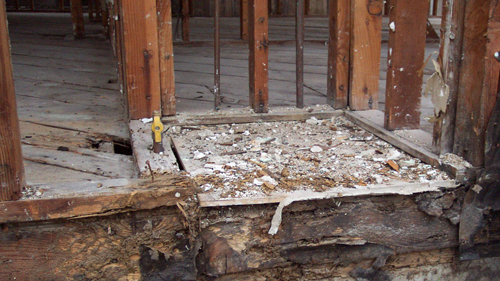
Allowing moisture to accumulate on sills and window frames presents a serious threat to building materials. Wood components are particularly vulnerable to continuous water exposure, which compromises structural integrity and accelerates wood rot. Furthermore, standing water creates an ideal breeding ground for biological growth, including mold, mildew, and fungus. These elements not only degrade the window casing and surrounding drywall but can also negatively impact indoor air quality.
Protecting Your Property
Proactive maintenance is essential for preserving the lifespan of windows and adjacent building materials. Routinely wiping down affected areas prevents water from pooling in the tracks or soaking into the wood grain. Monitoring window condensation serves as an early warning system for indoor humidity issues, allowing property owners to address root causes before they escalate into expensive, extensive repairs.
Three Key Tips
Monitor indoor humidity levels to ensure they do not become excessively high, which is the primary driver of interior glass condensation.
Clean and dry window frames and sills regularly to prevent standing water from penetrating wood materials and causing structural rot.
Inspect moisture-prone areas, such as bathrooms, frequently for early signs of mold or mildew to avoid costly future repairs.
Bonus Questions And Answers
To further understand how to control indoor moisture beyond basic maintenance, consider how modern building codes address home ventilation.
What Is The Role Of Mechanical Ventilation In Reducing Indoor Condensation?
According to standard residential building codes, proper mechanical ventilation is required to exhaust moisture-laden air from high-humidity areas like bathrooms and kitchens directly to the outdoors. Using properly sized exhaust fans reduces the overall indoor moisture load. By removing this damp air mechanically, you prevent the ambient room air from reaching its dew point when it comes into contact with cold window glass.
If you are consistently experiencing severe moisture issues despite good ventilation, you might also wonder about the performance rating of the windows themselves.
How Does Window Glazing Affect Condensation Resistance?
The thermal efficiency of a window, commonly evaluated by its U-factor, plays a significant role in condensation formation. Double or triple-paned windows with inert gas fills maintain a warmer interior glass surface temperature compared to older single-pane glass. By keeping the interior surface closer to the ambient room temperature, high-performance glazing drastically reduces the chance of indoor air condensing upon contact.
Beyond the visible glass, excessive indoor humidity can pose hidden risks to the structural framework of the house.
Can Window Condensation Indicate Risks Inside The Wall Cavity?
Yes, chronic interior condensation is often a visible symptom of elevated indoor relative humidity that can eventually migrate into wall assemblies. Building science dictates that moisture vapor moves from areas of high concentration and temperature to areas of low concentration and temperature. If indoor humidity is high enough to continuously coat windows, that same vapor can bypass permeable interior finishes, potentially condensing inside the cold wall cavity and leading to hidden structural decay.