The Critical Reality Of Exterior Clear Wood Maintenance
When architects and building designers specify premium exterior materials like clear Douglas Fir or Cedar, the initial results are visually stunning. A natural wood aesthetic treated with a transparent sealer provides a high-end architectural finish that enhances the entire property. However, a significant disconnect often occurs between the design phase and the long-term reality of property ownership. If you are specifying clear exterior wood, it is your professional responsibility to educate the client on the demanding maintenance schedule required to preserve that aesthetic.
The Unforgiving Sealer Schedule
Unlike composite siding or heavily painted surfaces, natural wood exposed to the elements requires constant vigilance. Clear sealers do not offer permanent protection against ultraviolet radiation and moisture infiltration. Depending on climate conditions and sun exposure, clear wood may need to be completely resealed every six to twelve months. When this maintenance is neglected, the protective barrier breaks down rapidly. The wood will begin to dry out, leading to severe checking, dimensional shifting, and prominent cracking along the grain.
The Fastener Factor And Rust Bleed
When investing in top-tier clear lumber, downgrading on hardware is a costly structural and visual mistake. Standard galvanized nails may claim to be rust-resistant, but when exposed to the moisture cycles of an exterior environment, they will eventually oxidize. As galvanized nails rust, they bleed down the face of the siding, leaving permanent dark stains embedded in the wood fibers. To maintain the pristine look of clear wood and ensure long-term structural integrity, stainless steel fasteners are non-negotiable. They are impervious to rust and will not react with the natural tannins found in premium lumber.
The Financial Trap Of Painting Premium Wood
A common scenario occurs when a property owner falls behind on their sealing schedule. As the clear wood cracks and fades, the owner attempts to salvage the facade by painting over it. This is a severe misallocation of resources. The primary value of clear, premium-grade wood is its natural visual appeal. If the ultimate fate of the siding is a coat of opaque exterior paint, the project could have been completed using significantly cheaper materials without sacrificing durability. Clear wood requires a commitment to transparency; if that commitment fails, the initial investment is effectively lost.
Three Key Tips
Establish A Strict Maintenance Schedule: Inform clients immediately that clear exterior wood requires reapplication of a high-quality sealer every six to twelve months to prevent cracking and moisture damage.
Always Specify Stainless Steel Fasteners: Never use galvanized nails on premium clear wood, as they will rust and bleed permanent stains into the wood grain.
Do Not Paint Clear Grade Lumber: If the maintenance of a clear finish becomes too burdensome, painting over it wastes the high initial cost of the premium wood. Utilize appropriate budget materials if paint is the intended final finish.
Bonus Questions And Answers
To further expand on the structural and long-term care requirements of exterior wood, here are a few additional considerations regarding building codes and design principles.
How Does Moisture Acclimation Impact Exterior Wood Cracking?
Before sealing and installing premium clear wood, the material must acclimate to the local environment. If wood is installed with a high moisture content and immediately exposed to direct sunlight, it will dry too rapidly, leading to severe checking, warping, and splitting. Building science dictates that exterior wood should reach its equilibrium moisture content for the specific climate zone prior to fastening. Failing to allow for this dimensional change will stress the wood fibers and the fasteners, undermining the structural integrity of the siding regardless of how frequently it is sealed.
How Does Roof Overhang Design Protect Exterior Wood Finishes?
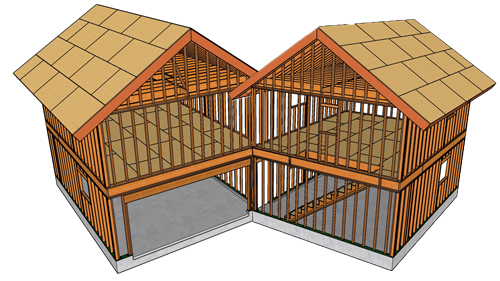
While regular sealing is mandatory for clear wood, architectural design heavily influences the maintenance schedule. A primary principle of building science is deflecting water and minimizing direct ultraviolet radiation. Extending roof overhangs provides critical physical shielding for wood siding, significantly reducing the weathering effects of rain and sun. Walls with minimal or no roof eaves will experience accelerated breakdown of the clear sealer, forcing the homeowner to reapply the finish much more frequently. Proper structural overhangs are the first line of defense in exterior moisture management.