Practices For Constructing Exterior Gas Meter Enclosures
Homeowners often seek ways to conceal exterior gas meters and electrical panels to improve the curb appeal of their properties. While building an enclosure around these utilities is a common weekend project, executing it poorly can lead to severe structural damage to the home. Unless you reside in a region with extreme weather conditions such as heavy snowfall, torrential rain, or blistering heat, covering a utility meter is generally unnecessary from a functional standpoint. When aesthetic enclosures are installed without proper construction techniques, they frequently create moisture traps that compromise the building envelope.
The Risks Of Attached Enclosures
A primary failure point in DIY utility enclosures is the method of attachment to the existing home. Many homeowners use substandard materials, such as hardboard siding, and attach the box directly against the exterior wall. Over time, rainwater runs down the side of the home and becomes trapped between the utility box and the exterior siding. Because this tight space lacks proper airflow and sunlight, the moisture cannot evaporate.
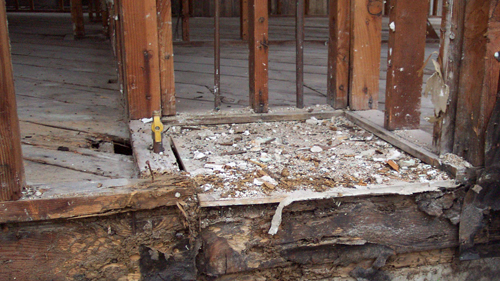
This trapped water inevitably leads to wood rot. The lumber used to frame the enclosure acts as a sponge, holding moisture directly against the home. Slowly, this moisture breaches the weather-resistant barrier, rotting the exterior siding and potentially penetrating the structural framing beneath. In many cases, by the time the homeowner removes a decaying meter box, the exterior wall of the house requires extensive and costly repairs.
Best Practices For Material And Design
If a meter enclosure must be built, proper material selection and roofing design are non-negotiable. The top covering of the enclosure must shed water completely away from the structure. Using standard wall siding for the top cover is highly ineffective. Instead, builders should utilize an exterior-grade plywood or solid roofing material that overhangs the vertical walls of the box by at least a half-inch. This overhang creates a vital drip edge, ensuring that runoff falls away from the enclosure rather than seeping into the joints.
Additionally, any point where the enclosure meets the home must be heavily protected. This requires meticulous caulking and the application of highly water-resistant exterior paint or sealants. However, even with rigorous maintenance, sealants eventually degrade.
A Safer Alternative: Freestanding Enclosures
To entirely avoid the risk of damaging your home's exterior, the most effective strategy is to disconnect the enclosure from the building structure entirely. A decorative, freestanding box built one to two inches away from the exterior wall provides the same aesthetic benefit without trapping moisture against the siding. This air gap allows the siding to breathe and shed water naturally while isolating the home from any potential rot occurring on the enclosure itself.
Whenever possible, the ideal approach to unsightly utility meters is to address their placement during the initial design and construction phase of the building, keeping them out of high-visibility areas entirely.
Three Key Tips
Design a proper drip edge. The roof or top cover of any exterior enclosure must overhang the sides by at least a half-inch to prevent water from running down the vertical surfaces and seeping into the joints.
Isolate the structure with an air gap. Build freestanding utility covers one to two inches away from the exterior wall rather than bolting them directly to the house, which prevents moisture from becoming trapped against your siding.
Maintain waterproof seals meticulously. If an enclosure must be attached to the home, the adjoining seams must be heavily caulked, painted, and regularly inspected to prevent moisture intrusion and subsequent dry rot.
Bonus Questions And Answers
While mastering the basic construction of a meter box is crucial for preventing water damage, it is equally important to understand the strict regulations governing the utilities themselves. Exploring these broader building code principles ensures that your home improvement project remains safe and legally compliant.
Are Fully Sealed Gas Meter Enclosures Allowed By Building Codes?
No, fully sealed enclosures around gas meters are strictly prohibited by building codes. According to the International Residential Code and the National Fuel Gas Code, any enclosure housing a gas meter must have adequate ventilation. If a gas leak were to occur inside a completely sealed box, combustible gas would accumulate to dangerous levels, creating a severe explosion hazard. Any cover must allow for free air circulation to safely dissipate potential fugitive gas.
What Are The Clearance Requirements For Exterior Utility Meters?
Building codes and local utility companies require strict clearances to ensure that service personnel can access, read, and maintain the equipment safely. Generally, utility providers require a minimum clear working space of three feet in front of the meter. Additionally, gas meters must be kept specific distances away from potential ignition sources, such as air conditioning condensers, electrical outlets, or operable windows. Always consult your local utility provider before building any structure near their equipment.
How Should An Enclosure Be Flashed If Attached Directly To The House?
If a structure must be permanently attached to a home, standard caulking is insufficient to meet building code requirements for moisture management. The International Building Code dictates that a proper ledger connection must utilize Z-flashing. This metal flashing is tucked underneath the home's weather-resistive barrier or siding above the ledger board and laps over the top of the enclosure. This creates a shingle effect, physically directing bulk water over the attachment point rather than allowing it to rely solely on chemical sealants.