Preventing Stucco Damage From Improper Landscaping And Grading
Maintaining the integrity of a building envelope requires careful attention to how exterior finishes interact with the surrounding environment. One of the most common and destructive mistakes in residential and commercial construction is bringing soil or landscaping materials into direct contact with exterior stucco walls. A structure cannot be designed or modified in isolation; contractors and property owners must consider the entire site, including how soil levels and irrigation systems interact with the exterior shell.
The Dangers Of Soil Contact With Exterior Plaster
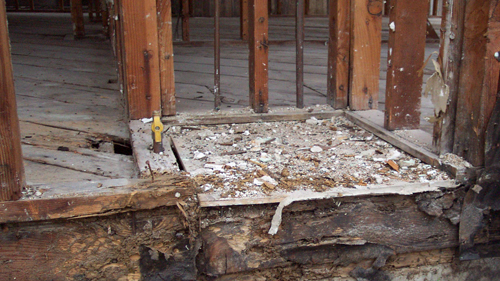
Stucco is an inherently porous material. When dirt or mulch is piled directly against a stucco finish, the wall acts like a sponge, absorbing moisture from the earth through capillary action. This persistent dampness completely compromises the exterior finish. Over time, trapped moisture degrades the water-resistive barrier hidden behind the plaster, leading to severe rot in the structural wood framing, the proliferation of toxic mold, and the eventual crumbling and spalling of the stucco itself.
Designing For Comprehensive Moisture Management
A successful building design must incorporate a holistic landscaping and grading strategy. Installing sprinkler systems that continuously soak the soil surrounding the foundation provides an endless supply of water that will inevitably wick into the exterior walls if the soil level is too high. Proper site planning ensures that grading slopes away from the foundation and that irrigation zones are kept at a safe distance from the building, keeping the structural footprint dry and secure.
Essential Construction Tips For Stucco Maintenance
Maintain proper clearance between the soil and the bottom edge of the stucco finish to prevent ground moisture from wicking up into the wall assembly.
Control irrigation paths by positioning sprinkler heads so they spray away from the building and do not saturate the earth immediately adjacent to the foundation walls.
Plan landscaping holistically, ensuring that future plant growth and cumulative layers of garden mulch will not eventually bridge the required gap between the ground and the siding.
Bonus Questions And Answers
To further protect your property from exterior moisture damage, understanding the technical standards behind building codes is essential for long-term structural health.
What Is The Code Requirement For Stucco Clearance Above Soil?
While specific building practices can vary heavily by local jurisdiction, the universally accepted best practice established by the International Residential Code dictates a strict separation. Exterior plaster must terminate at a weep screed placed a minimum of 4 inches above raw earth or unpaved ground, and a minimum of 2 inches above paved areas like concrete patios or driveways. This mandatory air gap ensures that capillary action cannot pull groundwater up into the porous stucco material.
What Is A Weep Screed And Why Is It Necessary?
A weep screed is a specialized metal or plastic flashing accessory installed at the very bottom edge of a stucco wall, right at the foundation line. Because stucco assemblies are designed to absorb a small amount of water during rainstorms, a weather-resistant barrier behind the plaster directs this moisture downward. The weep screed features drainage holes that allow this trapped water to safely exit the wall system. If soil or mulch covers the weep screed, the water cannot escape, causing it to back up and rot the internal framing.
How Should The Ground Slope Away From The Building Foundation?
Though local topography and property lines may occasionally require alternative engineered drainage solutions, standard building safety practices require the ground to aggressively slope away from the structure. The standard building code mandates a minimum fall of 6 inches within the first 10 feet away from the foundation walls. This ensures that surface water from rain or irrigation naturally drains away from the building envelope, significantly reducing the hydrostatic pressure and moisture burden placed on the foundation and exterior finishes.