The Hidden Dangers Of Burying Stucco Weep Screeds
An exterior stucco system relies heavily on gravity and proper drainage to protect a building's structural integrity. At the foundation line of modern stucco homes, a specialized metal or plastic flashing known as a weep screed is installed. This component features small drainage holes designed to allow water that penetrates the stucco to safely exit the wall assembly. When this critical drainage point is buried by soil, landscaping, or newly poured concrete, the consequences for the building can be devastating.
How Weep Screeds Protect Exterior Walls
Stucco is a porous material that absorbs moisture from rain, humidity, and melting snow. In a properly constructed wall assembly, a weather-resistant barrier behind the stucco stops moisture from reaching the wood framing. Gravity then pulls this trapped water downward until it reaches the weep screed, where it drips safely away from the foundation. When the weep screed remains open and exposed, the wall assembly stays dry and free from rot.
The Structural Threat Of Blocked Drainage
Problems arise when property owners raise the soil level for planter beds or pour new flatwork, such as concrete driveways, patios, or sidewalks, directly against the stucco and over the weep screed. Blocking these drainage holes prevents moisture from escaping the wall cavity. Instead of draining outward, the water becomes trapped.
Furthermore, soil and concrete hold immense amounts of moisture. During heavy winter rains or consistent spring showers, the ground surrounding a home becomes highly saturated. If a concrete slab is poured tightly against the stucco, or if the soil rests above the weep screed, a destructive physical process known as capillary action occurs.
The Science Of Capillary Action In Stucco
Capillary action, often referred to as moisture wicking, is the ability of a liquid to flow in narrow spaces without the assistance of, or even in opposition to, external forces like gravity. When wet soil or saturated concrete remains in direct contact with porous stucco, the stucco acts like a sponge. It continuously pulls moisture out of the ground and up into the wall assembly.
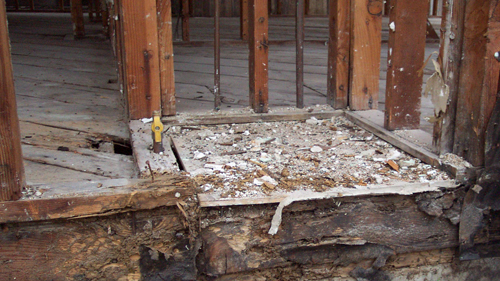
This wicking effect can draw moisture surprisingly high up the side of a building, frequently causing severe structural damage and stucco deterioration up to three feet above the ground line. The constant presence of moisture breaks down the stucco, encourages mold growth, and eventually rots the underlying wooden wall studs and base plates.
Regional Climate Considerations
While homes in arid, dry climates may occasionally survive a buried weep screed without immediate catastrophic damage, moisture intrusion remains a universal threat. Regular rainfall, snowmelt, or even heavy irrigation from yard sprinklers can easily provide enough water to trigger capillary action. Adhering to proper clearance guidelines ensures that the building remains protected regardless of unexpected weather patterns or seasonal saturation.
Three Key Construction Tips For Weep Screeds
Maintain strict vertical clearances around the perimeter of the foundation. The universally accepted building code standard dictates that a weep screed must be placed a minimum of 4 inches above bare earth or soil, and a minimum of 2 inches above paved surfaces like concrete or asphalt.
Never pour new flatwork directly against the stucco base. When adding concrete patios or sidewalks, utilize an expansion joint and keep the final grade of the concrete sufficiently below the existing weep screed line to preserve the wall's drainage capabilities.
Inspect older homes for moisture wicking. Many historic homes were built before weep screeds became a mandatory building code requirement. Monitor the bottom three feet of the exterior walls for bubbling paint, crumbling stucco, or persistent damp spots, which are prime indicators of upward moisture wicking.
Bonus Questions And Answers
Can I Retrofit A Weep Screed On An Older Home That Never Had One?
Homeowners dealing with moisture issues on historic properties often wonder about modernizing their exterior drainage systems.
Yes, retrofitting a weep screed is highly recommended for older homes experiencing moisture damage, though it requires professional remediation. The process involves cutting away the bottom several inches of the existing stucco to expose the framing and foundation transition. A contractor will inspect and repair any rotted sill plates or wall studs, install proper weather-resistant barrier lapping, attach the new weep screed, and then apply new stucco to patch the base. This brings the older wall assembly up to modern moisture management standards.
What Are The Exact Code Requirements For Weep Screed Clearance?
Understanding the precise legal and structural guidelines is essential before pouring new concrete or altering your landscaping.
According to the International Residential Code, specifically section R703, weep screeds must be provided at or below the foundation plate line on exterior stud walls in stucco applications. The code strictly mandates that the weep screed be placed no less than 4 inches above the earth or 2 inches above paved areas. This minimum clearance prevents soil and debris from clogging the drainage holes and stops standing water on hardscapes from being absorbed into the wall assembly.
Does Applying A Waterproof Sealant Over The Stucco Fix A Buried Weep Screed?
When faced with the expensive prospect of removing newly poured concrete, some property owners look for a quick chemical fix to stop moisture wicking.
No, painting or applying a waterproof elastomeric sealant over the exterior of the stucco will not solve the problem of a buried weep screed. In fact, it often accelerates structural decay. Stucco needs to breathe. If the drainage at the bottom is blocked and the exterior is sealed, any moisture that enters the wall cavity from humidity, internal condensation, or micro-cracks will be completely trapped inside. This trapped moisture will rapidly rot the wooden wall framing and promote hazardous mold growth within the wall cavity. The only permanent solution is to lower the grade or remove the concrete blocking the screed.