How To Remove Floor Tile With A Sledgehammer
Removing old floor tile is a labor-intensive part of any remodeling project, but using the right technique can make the process efficient and manageable. While specialized power tools exist for flooring demolition, a standard sledgehammer remains a highly effective tool when used correctly. This guide covers the foundational steps for breaking up tile manually without compromising the underlying floor structure.
Subfloor Considerations For Tile Demolition
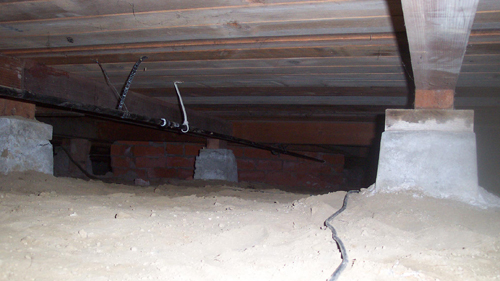
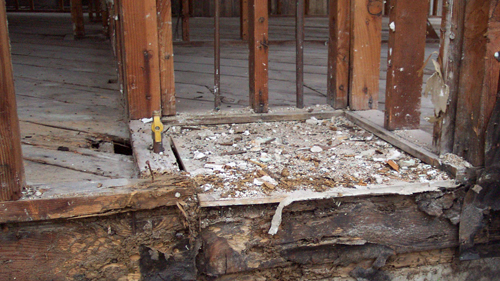
The type of subfloor beneath the tile dictates the level of force you can safely apply. Concrete slabs can withstand significant impact, allowing for more aggressive strikes without cracking or sustaining damage. Conversely, applying heavy, violent force to a wood subfloor or wood framing using a sledgehammer or pry bar is highly discouraged. Excessive impact on wooden structural elements can compromise floor joists or damage the plywood sheathing. If you notice the floor deflecting or showing signs of structural damage during demolition, stop immediately, as this could indicate underlying foundation or framing issues that require professional repair.
The Sledgehammer Drop Technique
Effective tile removal does not require swinging the sledgehammer over your shoulder. Instead, rely on the weight of the tool. Lift the sledgehammer approximately twenty-four inches above the floor and allow it to drop directly onto the tile. Working in small, controlled sections yields the best results. Target your strikes within two to four inches of the exposed tile edge, working progressively across the floor in one direction. This strategic placement helps the tile fracture along its weakest points and release from the thin-set mortar below.
Required Safety Precautions
Shattering ceramic or porcelain tile creates sharp, high-velocity shrapnel. Comprehensive personal protective equipment is non-negotiable for this task. Full-coverage clothing, including long pants and long-sleeved shirts, will protect your skin from flying debris. Heavy-duty work gloves and a hard hat provide additional coverage, but shatterproof eye protection is the most critical safety requirement. Never attempt to strike floor tile without wearing standard safety goggles or a face shield.
Three Key Tips
Rely on gravity rather than extreme force by lifting the sledgehammer just twenty-four inches off the surface and dropping it, avoiding heavy over-the-shoulder swings.
Start at a broken edge or grout line and aim strikes two to four inches from the boundary to efficiently break the tile away from the mortar bed.
Never use excessive force on wood subfloors or raised foundations, as heavy impacts can damage the structural floor joists or subfloor panels.
Bonus Questions And Answers
While breaking the tile is the first step, preparing the space for new flooring requires a broader understanding of the demolition process, so here are a few advanced considerations to keep in mind when tearing out old tile.
What Is The Best Way To Remove Leftover Thinset Mortar From A Concrete Slab?
Once the surface tile is shattered and removed, the underlying thin-set mortar must be scraped away to create a smooth surface for the new flooring. For small areas, a heavy-duty floor scraper or a masonry chisel and hammer will work, while larger rooms may require renting an SDS rotary hammer equipped with a wide scaling chisel. According to standard Tile Council of North America guidelines, the subfloor must be flat within specific tolerances, typically one-quarter inch over a ten-foot span, making the complete removal of old mortar ridges essential for a structurally sound installation.
How Do I Know If My Old Tile Or Adhesive Contains Asbestos?
If your home was built before the late 1980s, there is a distinct risk that the existing floor tile or the black mastic adhesive underneath contains asbestos. You cannot identify asbestos simply by looking at it. Before conducting any demolition on older flooring, standard building safety protocols require having a small sample tested by a certified laboratory. If the test returns positive, the material must be removed by a licensed asbestos abatement professional to prevent hazardous airborne fibers from contaminating the residential environment.
Why Should I Avoid Using A Sledgehammer On A Radiant Heated Floor?
If your home features radiant floor heating, striking the floor with a sledgehammer can easily puncture or crush the hydronic tubing or electric heating mats embedded in the concrete slab or thin-set layer. Damaging a hydronic heating tube will cause immediate plumbing leaks and require tearing up the slab to splice the pipe, while severing an electric mat will render the heating system completely inoperable. For radiant heated floors, contractors must carefully remove the tile using oscillating tools and hand chisels positioned parallel to the surface to avoid penetrating the active heating elements.