THE HIDDEN TRUTH ABOUT PAVER MAINTENANCE: WEEDS, ANTS, AND CONCRETE COMPARISONS
When planning a new walkway or driveway, the aesthetic appeal of a paver system is hard to resist. However, before you commit to installing bricks or stones, there is an important long-term maintenance factor you must consider: the life that grows and burrows between those inevitable gaps. While no hardscape is entirely maintenance-free, understanding the structural differences between concrete and pavers will help you make the right choice for your home.
PAVERS VS. CONCRETE: THE STRUCTURAL DIFFERENCE
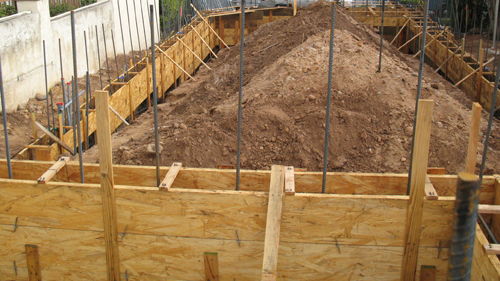
Many homeowners wonder what the real difference is between concrete and pavers, assuming that concrete cracks and grows weeds just like anything else. While it is true that concrete can crack over time, those cracks are generally controllable, highly visible, and relatively easy to patch. Furthermore, concrete allows you to use rebar to tie the whole structural system together, giving it incredible strength.
Paver systems, whether made of brick or stone, naturally have multiple gaps and seams. Because these individual pieces are separated, they lack the unified structural strength of a poured concrete slab. If you live in an area with plenty of moisture, every single gap between those pavers becomes an opportunity for nature to take over.
THE DANGER OF UNCHECKED WEEDS
If you choose a paver system, you must be prepared to maintain it. When weeds sprout in the gaps of your walkway or driveway, they are not just an eyesore; they are a structural threat. As weed roots expand beneath the surface, they put immense pressure on the surrounding pavers.
Left untreated, these expanding roots will start pushing the stones apart. The more weeds you have, the more pressure builds up, leading to wider gaps. These wider gaps collect more dirt, creating the perfect environment for even more weeds to grow. The cycle continues until your once-perfect walkway is completely distorted.
THE SURPRISING THREAT OF ANTS AND INSECTS
Beyond plant life, unsealed pavers invite another frustrating problem: insects. If pavers are not properly sealed, ants will find the tiny gaps and start burrowing underneath the stones. As they excavate their tunnels, they bring dirt up to the surface. Before long, you might find unsightly piles of dirt scattered across your pristine patio or driveway. While ants can occasionally cause issues with concrete, it is a much more common and visible problem with separated paver systems.
HOW TO PROTECT YOUR HARDSCAPE INVESTMENT
If you absolutely love the look of pavers and want to ensure their longevity, there is a hybrid solution. Pouring a standard concrete walkway first and then installing the pavers directly on top will drastically reduce future weed and insect problems. While this will not entirely eliminate maintenance, it provides the structural integrity of concrete with the visual appeal of pavers.
CONCLUSION
Ultimately, getting the most value out of your property comes down to consistent maintenance. If you install pavers, you must be diligent. Pull weeds early, apply weed killer when necessary, and seal your stones to keep the ants away. There is no need for unnecessary and expensive home repair bills as long as you take the time to maintain your investments properly.
THREE KEY TIPS
SPRAY AND REMOVE WEEDS IMMEDIATELY: Do not let weeds sit in your paver gaps. Their expanding roots will push your stones apart and create larger, dirt-filled cracks that ruin the structure of your walkway.
PROPERLY SEAL YOUR PAVERS: Ensuring your paver system is well-sealed helps deter ants and other insects from burrowing underneath the stones and pushing dirt up to the surface.
CONSIDER A CONCRETE BASE: If you are worried about structural strength and heavy weed growth, consider pouring a concrete base first and laying your pavers on top to drastically reduce future problems.